


For more than a decade, Kenny Allstar has been at the centre of UK music culture. What began as a teenager travelling across London to pirate radio stations and a university DJ uploading mixes to SoundCloud has evolved into a career built around discovery, community and championing the artists shaping the sound of a generation.
From dancehall and grime to drill, rap and Afroswing, Kenny has always operated at the intersection of scenes. His ability to move between genres, connect with artists and audiences, and recognise talent before it reaches the mainstream has made him far more than a DJ. Through his work in radio, freestyles, mixtapes and his wider presence across music, he has helped document and influence the evolution of UK rap while giving a platform to artists at pivotal moments in their careers.
What makes his story particularly interesting is that the ambition was always bigger than simply being behind the decks. From the moment he first heard the voices of pirate radio, Kenny understood the power of broadcasting. Over time, that instinct developed into a wider vision: to build platforms, businesses and opportunities that could exist beyond the music itself.
In our conversation, Kenny reflects on the moments that shaped his journey… from his early days in Lewisham and university radio, to breaking through at 1Xtra, building Mad About Bars and supporting some of the UK’s most important emerging artists. He talks about instinct, vulnerability, the responsibility that comes with giving artists a platform, and why understanding the person behind the music has always mattered to him.
He also looks forward, discussing his ambitions beyond radio and DJing, his growing focus on business and entrepreneurship, and the desire to build something that outlives his own career. Along the way, he shares the five UK rap records that have stayed with him, and the stories behind why they matter.
Q: What was the moment when Kenny Allstar stopped being a DJ on the come-up and became a cultural voice in UK music?
When I look back, it all started when I was an up-and-coming DJ at university, playing parties and events around campus. At the same time, I was uploading intricate mixes to SoundCloud, which slowly began to build a loyal following. Growing up in Lewisham, South East London, I’d already started making a name for myself locally, but university made my world a lot bigger. Although I was studying in Kent, my mixes were reaching people in Coventry, Birmingham, Southampton, Leicester and other major university cities. Suddenly, I was connecting with audiences from all over the country. People started asking, “Who is this guy?” I could move seamlessly between dancehall, grime and garage, and I could MC as well. There was something about that versatility that seemed to capture people’s attention.
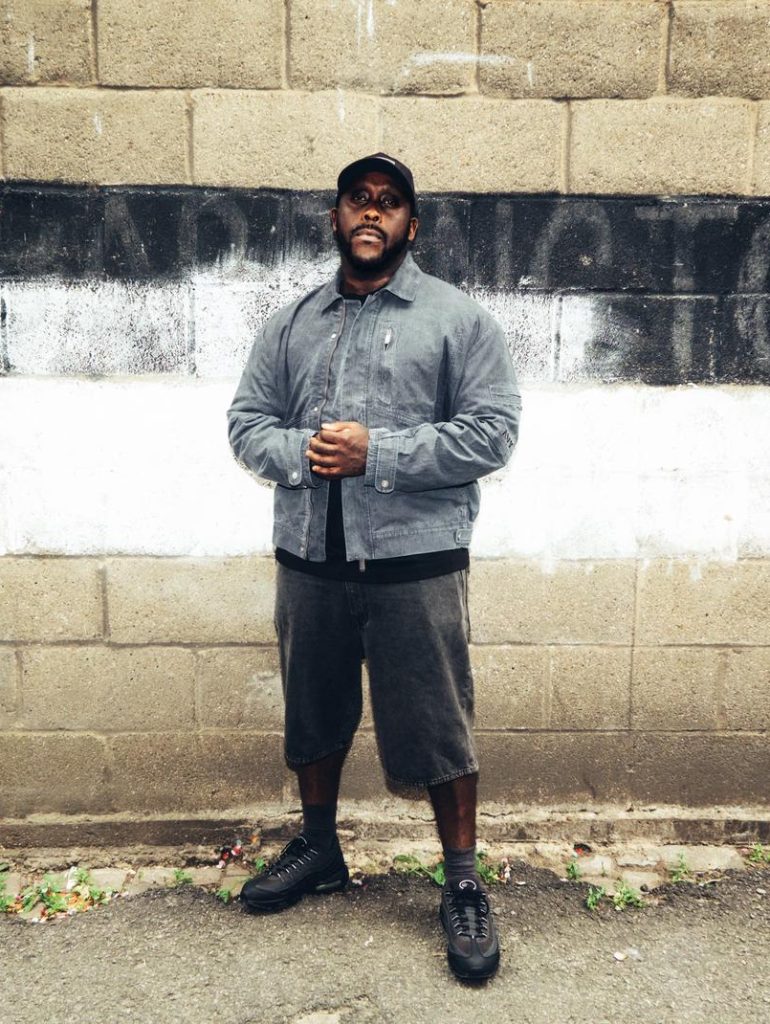
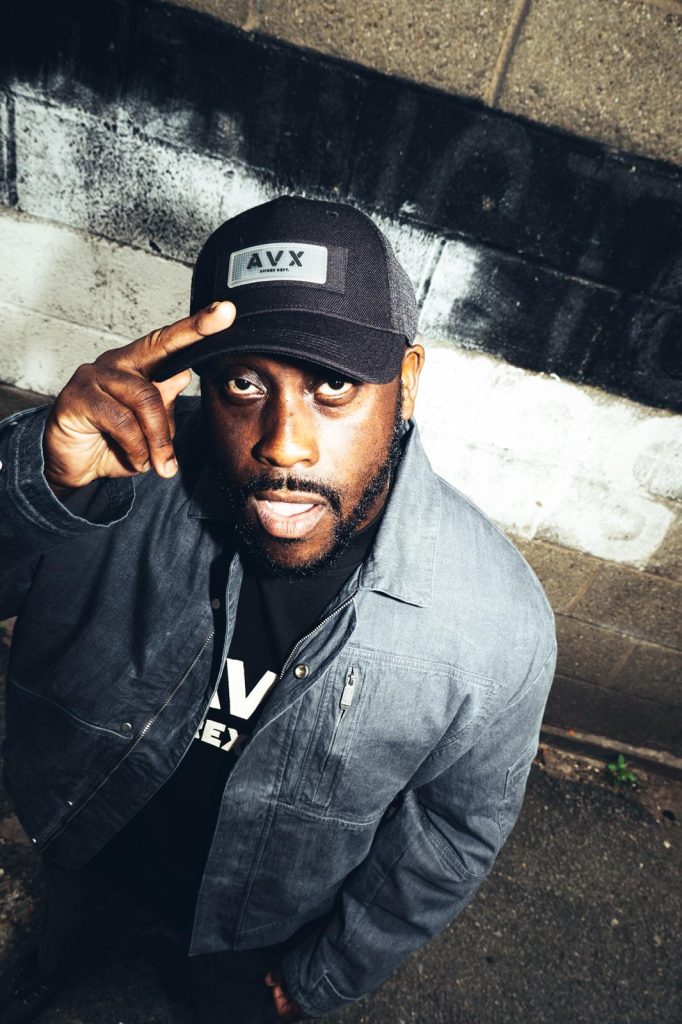
From there, things really started to gather momentum across different audiences and scenes. Looking back, that was probably the moment I realised I was building a national buzz rather than just a local one. Around the same time, I wanted to push further into radio, so I joined Reprezent Radio. I was falling in love with Afroswing, while drill was just beginning to emerge as a major movement. It felt like there were two sides to Kenny Allstar developing at once. On one side, there was the university DJ making waves on the campus circuit. On the other, there was someone who was passionate about championing emerging artists that the mainstream DJs and platforms hadn’t recognised yet. When I think about that period between 2013 and 2016, that’s really when everything started to click. It was the first time I genuinely thought, “This could become something. I could actually build a career in this game.”
Q: When you first started, was there a specific genre you were most drawn to?
Yeah, definitely. At the very beginning, dancehall was my thing. What made me stand out was that I’m Nigerian, but I was completely in love with Caribbean music. I was playing dancehall, and people would listen to my mixes and assume I must be Jamaican because of the way I understood and selected the music. Those mixes would go on to get hundreds of thousands of plays, and really helped build my profile.
Back then, SoundCloud was basically a DJ’s shop window. I’d upload mixes, record live sets, and they would take off. Promoters from universities around the country would hear them and start reaching out to book me. My inspiration came from the DJs on pirate radio stations like On Top FM, Heat FM, and Rinse FM. Those stations had a massive impact on me. I wasn’t the most conventional kid growing up, and pirate radio represented something exciting. It felt authentic, connected to the streets and to youth culture. Those DJs and stations really shaped the way I saw music, radio, and community and most importantly my taste.
Q. What was your ambition at the time? Did you always see radio as the goal?
I’ve always been fascinated by the sounds coming through the radio. Music has always been my first love, but what drew me to radio was that it had nothing to do with how you looked or what you were wearing. It was all about how you sounded. The only thing that mattered was what came out of your mouth. I was inspired by people who could command a room purely with their voice. Their voice carried weight. Whether it was Trevor Nelson, Jenny Francis or the DJs pulling off intricate mixes on pirate radio, those were the people I looked up to. They were my GOATs. Even when I looked across to the US, the DJs I admired most were the ones who had built their names through mixtapes before using radio to reach an even bigger audience. Long before the global success, he had his radio show. The same goes for DJ Drama. They established their credibility through mixtapes, but radio was the platform that allowed them to connect with the masses.
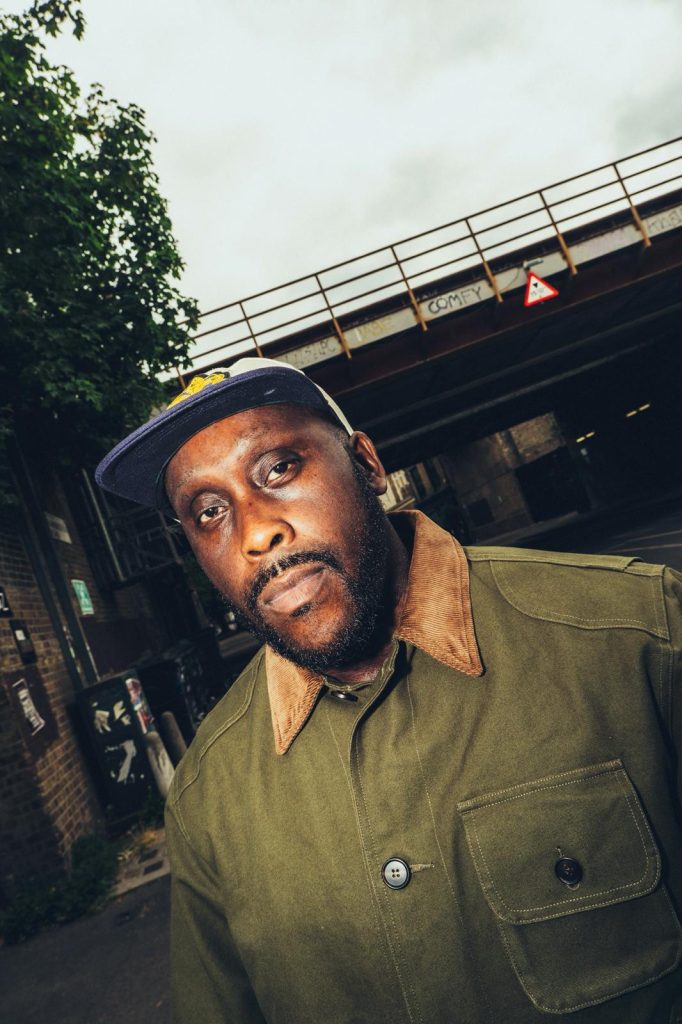
From a very young age, all of my heroes were on the radio. So my mindset became pretty simple: if I wanted to become as legendary as the people I looked up to, I had to make it onto radio too. I genuinely set that as my goal from the time I was a kid. One day, I was going to be on the radio.
Q. How old were you when you first got involved with radio?
I was inspired by pirate radio DJs from a young age. The funny thing is, I’ve always looked older than I actually was. Because of that, I found myself in spaces most people my age couldn’t get into. I’d bunk off school and make my way to pirate radio stations because I just wanted to be around it all. I wanted to be that guy behind the mic. I was only 15 or 16 when those opportunities started to come my way.
It was a strange situation because I looked much older than I was. Even some of the people running the stations weren’t entirely sure of my age. At first, I was trying to secure a midweek show, but balancing that with school wasn’t realistic. Eventually I thought, I’ll take whatever slot I can get. So I ended up on the graveyard shifts, broadcasting on Friday, Saturday and Sunday mornings from around 7am until 2pm.
It was a tough shift, but I didn’t care. I was just grateful to be on air, playing music for hours on end. The studio was based in Leyton, and remember, I was only 15. I couldn’t drive, so every weekend I’d make the journey from Lewisham by bus and train just to get there. Looking back now, it was a serious mission, but at the time none of that mattered. I was willing to do whatever it took to be on the radio.
Q. Was there a specific moment when you realised you’d broken into the radio space? A set, a show, or an opportunity that made it feel real?
I always compare it to an internship or apprenticeship. Every few months, the station would bring in a new intake of DJs and presenters, all competing to prove they deserved a place. I remember my intake was stacked with talent. Everyone was trying to make an impression and earn their opportunity. That’s when it started to feel real because you realised you weren’t just playing music for fun anymore. You were competing alongside people who were genuinely good at what they did and all chasing the same goal.
It was me, Snoochie, Docta Cosmic and Novelist in that intake. The way it worked was simple: you shared airtime. Between you, there were only a couple of hours each week, rotating slots and taking turns. You didn’t have much time to prove yourself, so every minute counted. I walked into the building with confidence because Mad About Bars was already building momentum. It had become a genuine platform, and I’d already found an audience outside of traditional media. I felt like I already had the streets behind me. But I also understood the reality of where I was. BBC Radio 1Xtra already had institutions like Charlie Sloth’s Fire in the Booth. There were larger-than-life personalities across the station, from MistaJam onwards. In comparison, I was still a small fish in a very big pond.

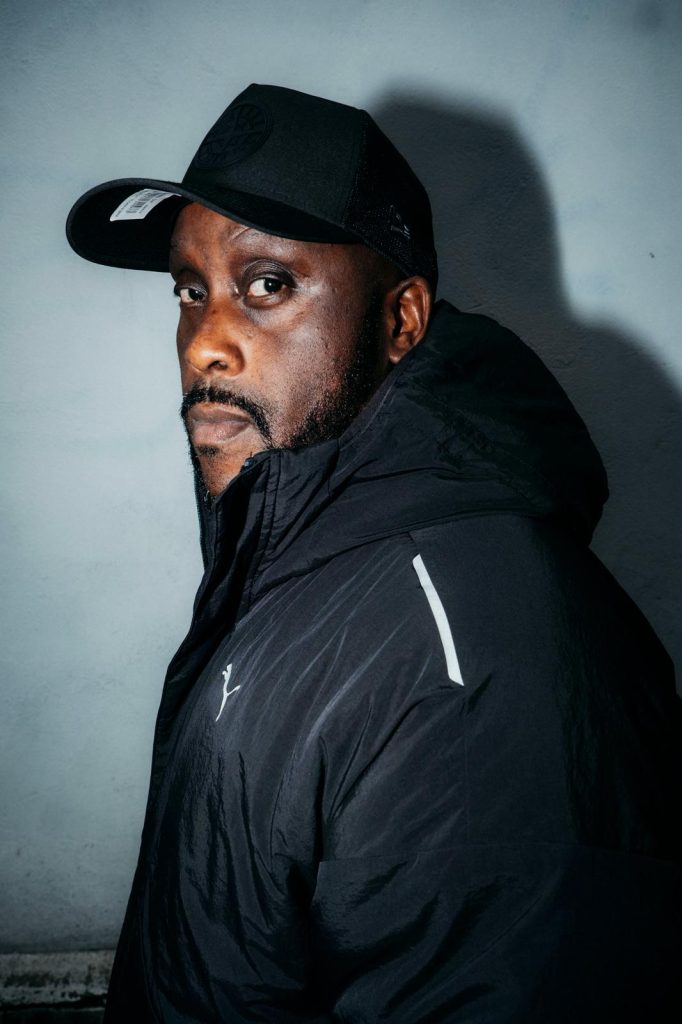
I knew I couldn’t compete by doing exactly what everyone else was doing. If I wanted people to notice me, I had to bring the energy and community I’d built outside the building into it. While everyone else was focused purely on their radio residency, I was the only one asking, “How do we make this visual as well?” I’d seen YouTube explode, and I knew that if I was going to make an impact, I had to offer something different. Fire in the Booth already dominated the freestyle space. That lane was taken. So instead of trying to compete with it, I focused on creating an alternative. I thought, I’m only here once a month, so let me use this opportunity to showcase the artists I’m already working with. If we capture these moments properly, people will pay attention.
The first freestyle I recorded was with Aitch. There’s an iconic Kenny Allstar Freestyle where I’m wearing a Wales football shirt while a young Aitch is rapping over the Tyga – Taste Instrumental. The energy in that room was incredible. It felt raw, exciting and authentic. What’s even crazier is that I still didn’t have my own show at the time. When that freestyle started taking off, I could feel something changing. The producers, editors and people around the station started paying attention. They were looking at what we were building and thinking, There’s something here.
The following week I brought in M Huncho, right at the beginning of the UK wave becoming a genuine movement. D-Block Europe were beginning to put up huge numbers, the sound was exploding, and M Huncho was one of the artists leading that charge. Having him on the platform felt like a statement. One by one, those moments started to build. Every freestyle added more momentum, and the conversation inside the building began to change.People stopped seeing me as another presenter fighting for airtime and started recognising that I was bringing something different to the station. The feeling became, We can’t ignore this anymore. We need to give this guy a proper opportunity. Even then, I still didn’t have my own show. The recognition was growing, but there was still another level to reach, and I knew I had to keep proving myself.
Q: You’ve played a huge role in helping break the next generation of UK artists. What is it that you look for before everyone else catches on? Is it talent, personality, work ethic, or something else?
For me, it’s always been about the person first. Of course, the music has to be good, a great record is a great record. We can all enjoy it, dance to it and appreciate it. But the reality is there are millions of artists trying to make it. If you’re going to invest your time, energy and platform into someone, you need more than just good music. One thing I’ve always understood is that people connect with artists who are willing to be vulnerable and show who they are beyond the music. Fans don’t just fall in love with songs, they fall in love with stories. They connect with personalities. They want to understand who the artist is as a human being. That’s why I’ve always looked at the person before I’ve looked at the records. If I’m going to back an artist, rapper, singer or musician, I want to understand what makes them tick.
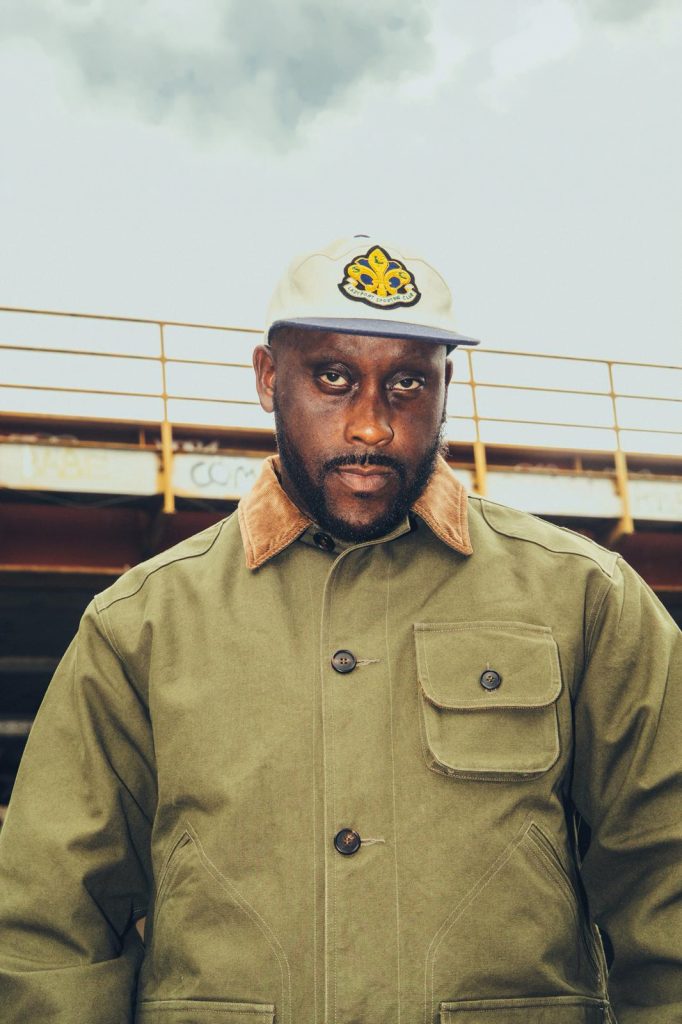
When you look at some of the artists people associated with me during their rise – M Huncho, Headie One, K-Trap, French The Kid and others, there’s a reason for that. I’ve always believed in investing in people before investing in the music. If I can sit in a studio session with someone, have a conversation, understand their story and see what drives them, I’m far more likely to support them. Sometimes it’s because we’ve come from similar backgrounds. Sometimes it’s because I can relate to their journey. Other times, it’s simply because I can see the hunger, ambition and belief they have in themselves. When you understand the person behind the music, you’re not just backing a record. You’re backing someone through every stage of their journey. The songs will come and go, but character, vision and authenticity are what build lasting careers. Ultimately, that’s what audiences connect with. They don’t just remember the soundtrack, they remember the story behind it.
Q: A lot of people say they feel like they know you personally, whether that’s through radio, interviews or your performances. How do you create that connection with people?
For me, it’s always been an energy thing. The funny thing about music, especially rap, is that we’re used to seeing artists with huge egos. A lot of the space is performative, and often that’s not a true reflection of who someone is as a person. I’ve always believed that if you’re going to have longevity in this industry, you need to understand people as human beings first. I think that’s one of the reasons I’ve been able to get so much right over the years. When people look at artists I’ve supported before they blew up, they always ask, “How did you know?” The truth is, you never really know. But if you can connect with someone, understand who they are, and believe in them as a person, then you’re much more likely to make the right decision. You’re not going to invest your time and energy into somebody you don’t believe is capable of doing something with their life. That’s why I’ve always put the human being before the music.
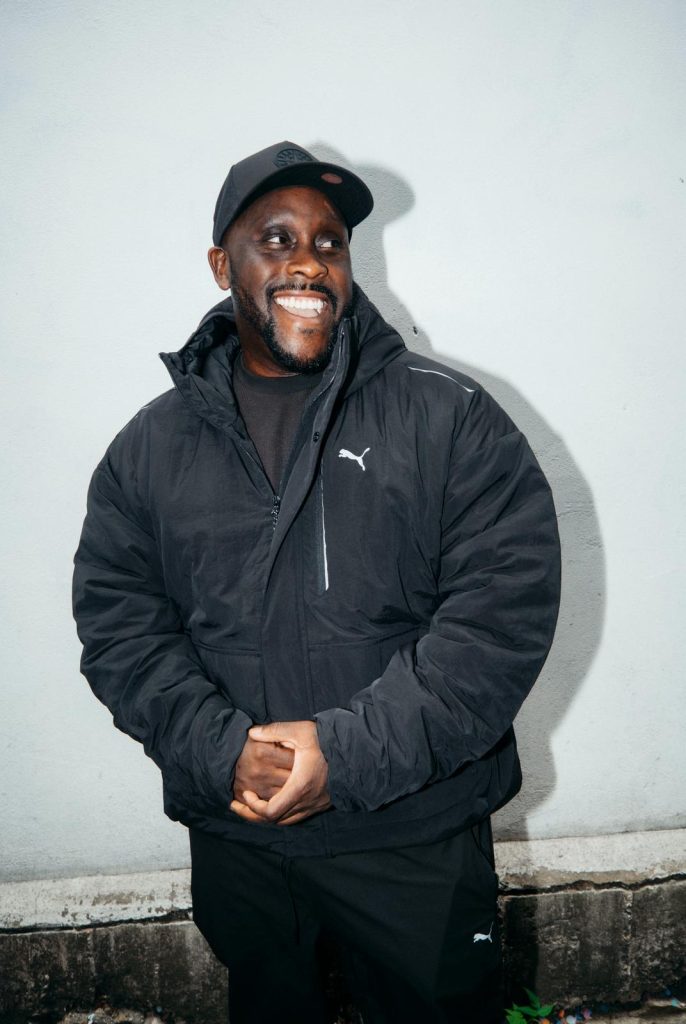
This is going to sound cliché, but I’m just myself. One thing I’ve always loved about radio is when presenters make you feel like you’re simply part of a conversation. Take Trevor Nelson, for example. You can switch on the radio and it feels like he’s sitting in your front room having a chat with you. It doesn’t always have to be loud or overproduced. It doesn’t have to be, “You’re listening to DJ XYZ!” Sometimes it’s just: “The weather’s been terrible today, hasn’t it? But at least we’ve got some good music. What have you been up to?” When people hear someone speaking naturally and passionately about something they care about, they’re more likely to stay engaged. That’s the approach I try to bring to everything I do. When you tune into one of my radio shows, I want you to feel like you’re experiencing the music with me. I want you to be as excited as I am about a new song you’ve never heard before. The same applies to mixtapes.
If I’m putting together a narrative-driven mixtape, whether it’s something inspired by films like Training Day or built around real-life experiences, I’m not just playing songs. I’m telling stories. I might talk about challenges an artist has faced. I might relate it to situations I’ve experienced myself, or things I’ve seen growing up in similar environments. By doing that, the music becomes more than just music. Someone listening might hear a song and think it’s good. But if they understand the story behind it, or hear a real-life connection to it, suddenly it means something more. That’s always been my goal: making people feel like they’re part of the journey rather than simply listening from the outside.
Q: It’s been incredible watching your journey from the early days to where you are now. Is there anything you wish you’d done differently?
Looking back, I probably would’ve embraced the business side of the music industry much earlier. For a long time, I never imagined myself running a label, a publishing company or a distribution business. My career was built on creating opportunities for artists, and because of that, my biggest fear was letting people down. I took that responsibility personally. I can’t count the number of times an artist would ring me because they were having problems with a label, a manager or a deal. I’d end up acting as the middleman, the person they trusted to help make sense of it all. After enough of those conversations, I convinced myself that I never wanted to be on the other side of the table. From where I was standing, it seemed like everyone eventually grew to resent the people making the business decisions.
As I’ve gotten older, though, my perspective has completely changed. I’ve realised the music industry isn’t as black and white as I once thought. Not every deal goes to plan, not every relationship works out, and not every challenge is the result of bad intentions. Sometimes there are commercial realities, competing priorities or circumstances outside anyone’s control. That doesn’t automatically make someone the villain. The biggest lesson for me has been understanding that you can still operate with integrity while being part of the business. You can build companies, negotiate deals, create opportunities and advocate for artists without compromising your values. In fact, if you genuinely care about artists, being in those positions often gives you more power to protect them than watching from the sidelines. If I could go back, I probably would’ve stepped into that world sooner instead of being intimidated by it. I spent years thinking influence only came from outside the system, but I’ve come to realise that sometimes the greatest impact comes from helping shape the system itself.
Q: Looking ahead, is there anything you’d like to explore beyond what you’re already known for?
Absolutely. I’m 33 now, and I’ve reached a point in my life where I don’t want to look back with regrets. I never want to get to the end of my journey and be left wondering, “What if I’d done this?” or “What if I’d taken that opportunity?” Life is too short for that. From a music business perspective, there are definitely areas I’m interested in exploring. For a long time, I’ve been someone who’s naturally motivated and comfortable leading teams. I’ve been doing that in different ways throughout my career. The challenge has always been that my brain moves a thousand miles an hour. Sometimes my ideas move faster than my ability to execute them. But as I’ve gotten older, I’ve learned how to slow things down, organise my thinking and approach goals step by step.


When I look at the people who’ve inspired me throughout my career, the common theme is that they’ve always been more than just DJs or musicians. I respect moguls. I respect people who build companies. People who create products. People who leave behind something that lasts longer than their career or even their lifetime. That’s what inspires me.I want to build things that outlive me. I want to create products, businesses and platforms that people continue to use long after I’m gone. Whether that’s through music, culture, technology or something completely different, the goal is the same: building something with lasting impact. I’m probably saying a lot without giving too much away, but essentially the next chapter is about becoming more than a broadcaster or a DJ. It’s about becoming a builder. It’s about becoming someone who creates products, leads teams and develops ideas that have a genuine effect on culture and everyday life. The business side of things is something I’m taking far more seriously now. We’ve got a number of things in the pipeline, and I’m excited about where they’re heading. There’s also going to be a big moment coming for nightlife culture. I want to help create spaces and products that allow people to enjoy themselves responsibly while also celebrating the communities and cultures that built these scenes in the first place. For me, that’s where the focus is now. The next phase isn’t just about Kenny Allstar the DJ. It’s about Kenny Allstar the entrepreneur, the builder and, hopefully, the mogul.
Q. With everything you’ve got going on, how do you balance it all?
That’s why you need a good team. I’ve learned the value of having the right people around you. No one builds anything meaningful alone. I give my fiance flowers every day because I genuinely believe meeting her was divine intervention. The timing, the circumstances, everything just aligned. When you have good people around you, everything becomes possible. That’s something I’ve learned over the years. We’re launching something proper. I’ve spent more than 20 years in nightlife culture, so we’re building something connected to that world. That’s all I’ll say for now, but there’s something exciting coming. I’m also interested in bricks-and-mortar businesses. There’ll be a few things popping up here and there over the next couple of years that people may know about, or may not even realise I’m involved with. But that’s intentional. For me, it’s time to put the mogul hat on. That’s the next chapter.
Q: Let’s get into your five favourite UK rap records.
“The One” by Kenny Allstar featuring Potter Payper
One that immediately comes to mind is “The One” by Potter Payper. What’s significant about that record is that it came from Paper Pabs’ breakthrough mixtape era, and for me it represented something different in UK rap. There was a sample on the track, I’m struggling to remember exactly what it was right now, but I remember it coming from a classic hip-hop record, which already gave it a certain weight and emotion. What really stood out to me, though, was the vulnerability. At that time, a lot of UK rap was heavily performative. Everyone was focused on projecting strength and confidence, and we didn’t often hear artists open up emotionally in that way. That record was one of the first examples I can remember of a UK rapper being genuinely vulnerable on a track. That’s why it stuck with me. And beyond all the deeper meaning, Paper absolutely went crazy on that tune. It’s just a brilliant record.
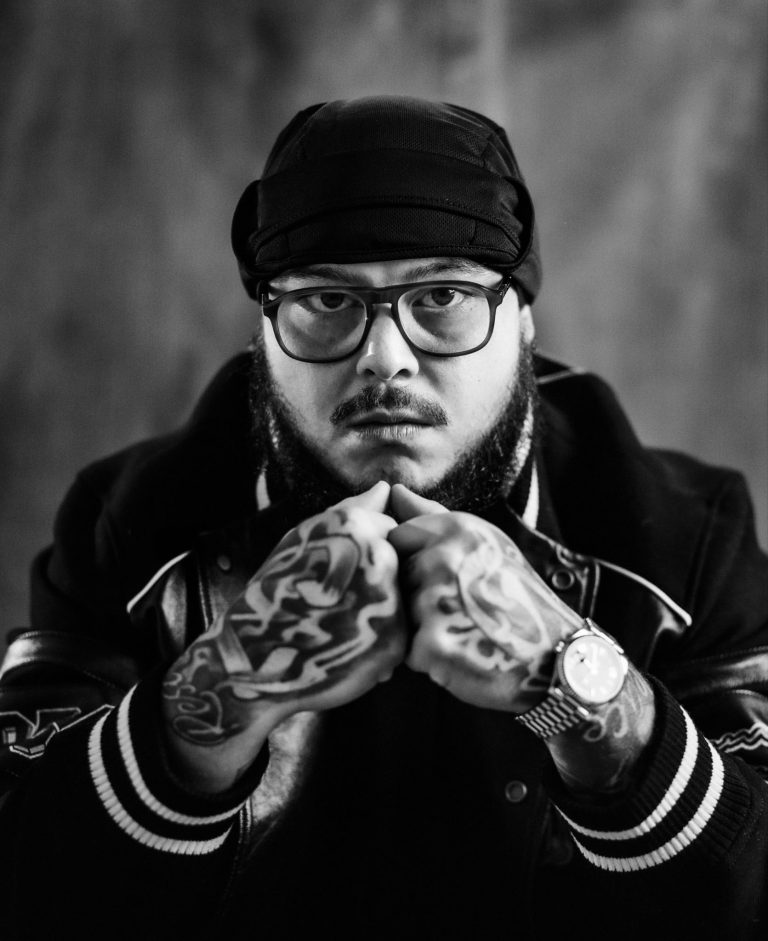
“Pain Is The Essence” by Dubz and Giggs.
I’d have to go with “Pain Is The Essence” by Dubz and Giggs next. That one is special for a completely different reason. It takes me straight back to the Hard Bodied mixtape era, and that project was hugely important for me because it was one of the first times I really fell in love with the art of hosting. It made me understand how powerful a DJ or host can be in shaping the experience of a record. That’s where someone like Big Ryde comes in. For me, Big Ryde was one of the greatest to ever do it.
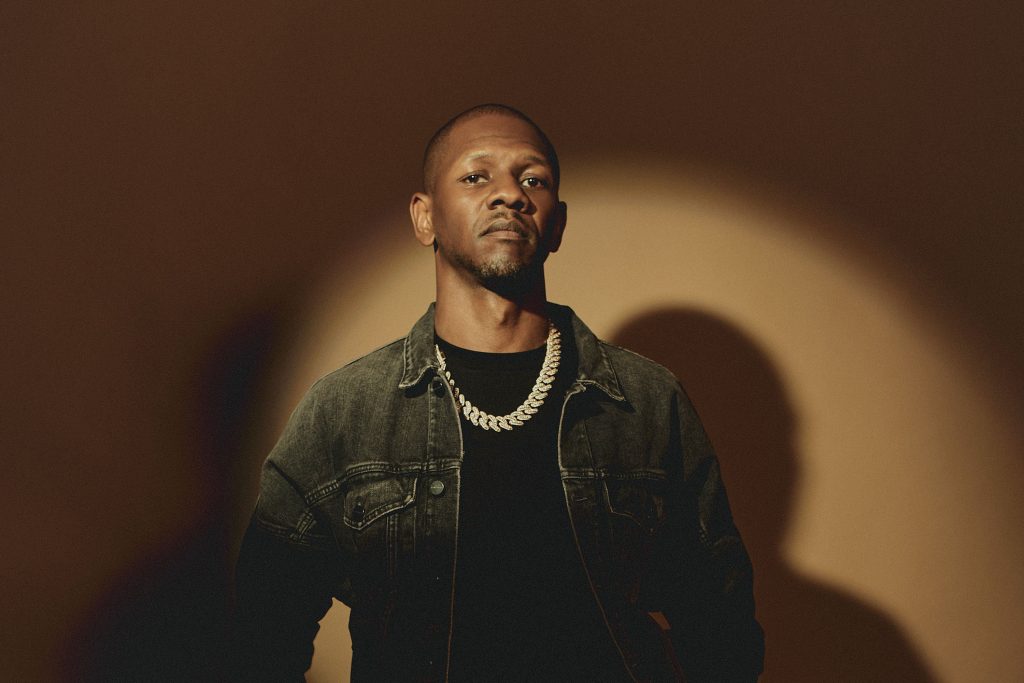
What I loved about him was how simple his approach was. He never overdid it. It wasn’t about shouting all over the record or trying to become the centre of attention. Sometimes it was just a few words. Even on the intro to that track, when he says something like: “Yo, it’s Big Ryde… Dubs, I want you to let the people know…” It’s such a small moment, but it completely changes the feeling of the song. Those little one-liners add atmosphere. They create anticipation. They make the record feel bigger. And that’s what fascinated me. If you removed those moments from the track, you’d lose something important. The energy changes. What’s even more impressive is that the hosting would’ve been added after the song was already made. The record existed on its own, but Big Ryde elevated it to another level. That’s when I really started understanding how much impact a DJ, host or broadcaster can have on the way people experience music. For someone like me, who would eventually build a career around radio and hosting, that was a massive lesson.
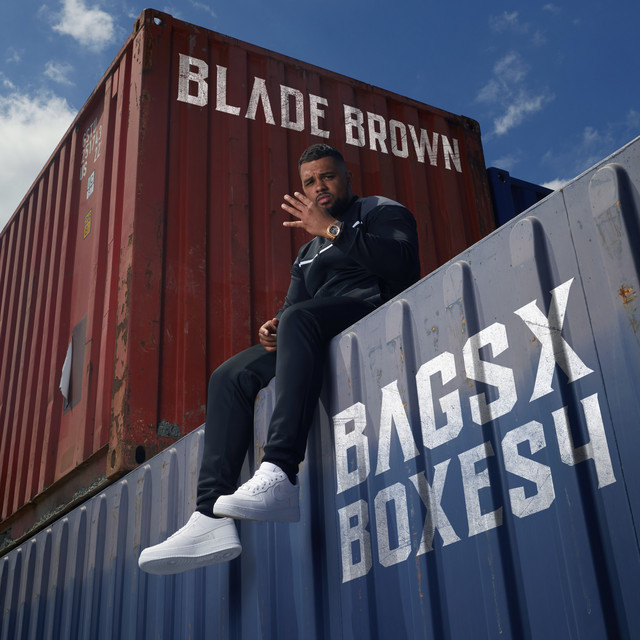
“Bags and Boxes 4” intro by Blade Brown
Yeah, I’m going with Blade Brown – “Bags and Boxes 4” intro. For me, there are so many elements I love about that track. The production is cold, and the whole atmosphere just hits differently. What stood out most was the timing of it. It had been around three years since the last Bags and Boxes project, which a lot of people would argue was one of the most important in the whole series. So when that fourth one dropped, there was a lot of expectation. But hearing Blade on that intro, it felt like he hadn’t missed a step at all. It was effortless. It picked up right where things left off. And I honestly think Blade Brown doesn’t get enough credit for how good he is at intros in general. When it comes to mixtape track ones, opening records, setting a tone, he’s one of the best to ever do it. That’s why I had to include it.
“Home” by Headie One
Yeah… number four. This one’s important to me because of the feeling it captures more than anything else. It’s a record where the artist is speaking in a very real, very relatable way, especially for people from certain parts of London. There’s a line of thought in it that’s almost like everyday conversation. That feeling of just wanting to get home, being focused on the small things, life in your immediate environment. It’s not overcomplicated. It’s honest. And I think that’s what made it stick with me. It reflects something a lot of people can relate to, especially if you understand the context and where it comes from.
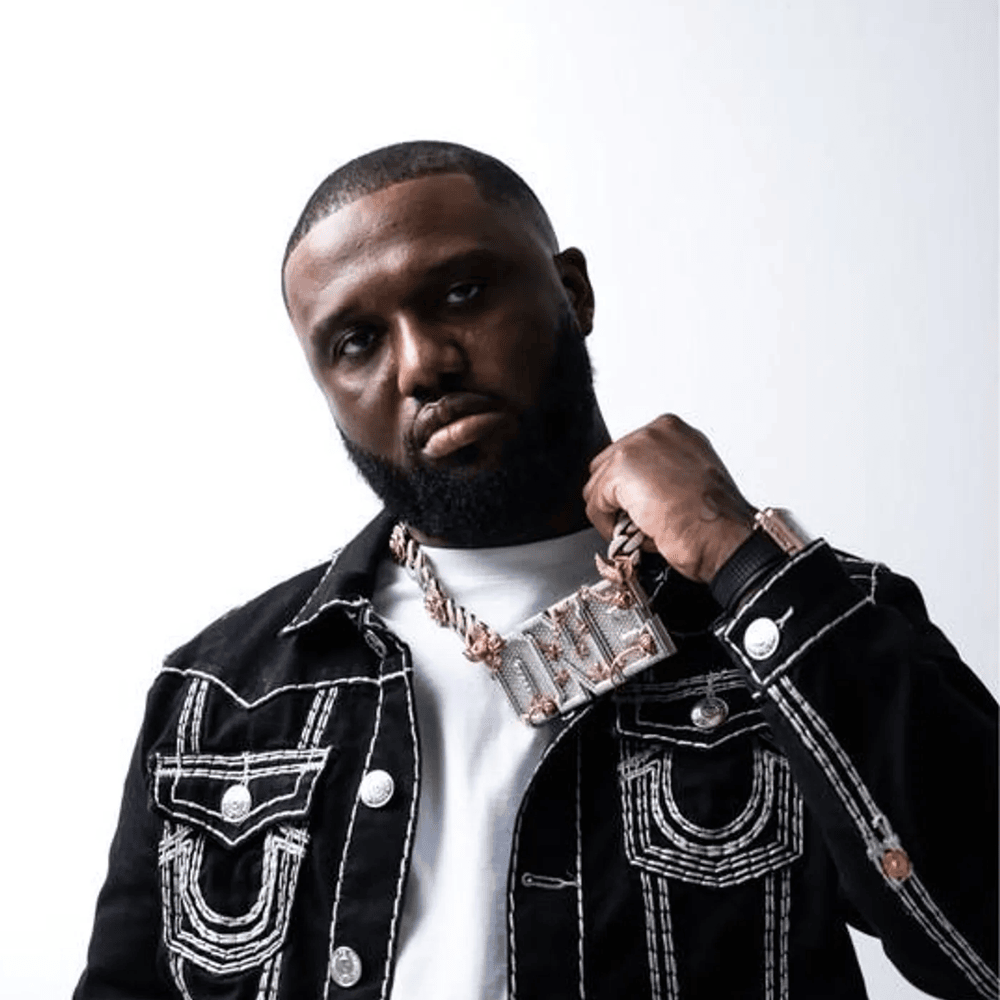
This track is special because it doesn’t have to be about someone who’s “made it” or living a certain lifestyle to understand it. It’s just very relatable in different ways. Whether it’s having a partner you care about, someone who’s held you down, or just that feeling of constantly being on the move, touring as an artist, working overtime, trying to provide, there’s a lot in it that hits home. It speaks to that reality of being a grafter. Not always being able to be physically present for the people you care about because you’re working and chasing something bigger. And it does it in a very simple way. It’s not overly complex or overly detailed verse-by-verse storytelling. It’s stripped back, but that’s why it lands so strongly. Sometimes simplicity hits harder than anything else. That’s honestly one of my most played Heady One tracks ever… and a lot of people probably wouldn’t expect me to say that.
“Proud” – Young Adz
And then finally I had to go with Young Adz – “Proud.” This one is different from the others because it’s not really conventional rap in the traditional sense. But that’s also what makes it powerful. It’s a solo Young Adz record, and I think people already know he’s one of the best in the game when it comes to what he does. What I love about “Proud” is the emotion in it. It sits in a different space sonically and lyrically compared to the rest of the list, but it still carries weight. It’s one of those records that just stays with you.
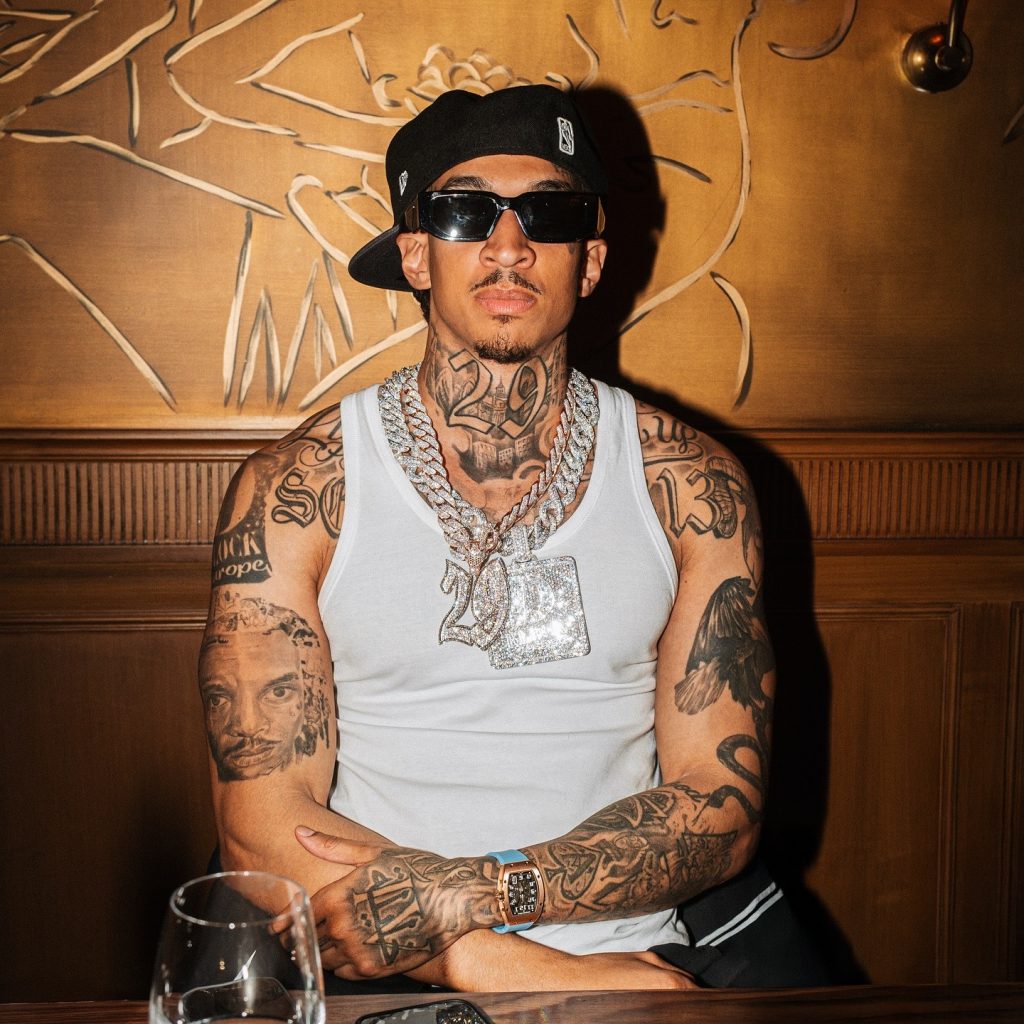
It’s a vulnerability. I’m a big fan of rappers who can actually show that side of themselves. And I think Proud is a beautiful track because of exactly that. He’s speaking directly to the women in his life, his daughter, his mum… about not being the most perfect individual, but still doing everything he can to make them proud. That’s something that’s really relatable to me. For me, that vulnerability is everything. And it’s not even a “rappy,, hip-hoppy” type of record. It sits in a different space entirely, but it still connects with so many people from where we come from. That says a lot. The way he paints that picture on the track is unreal. I love that song. Because again, it’s that balance between perfection and imperfection, and he’s very open about both. That’s what makes it powerful.


