Drew is a designer from Providence, Rhode Island, with over 15 years in the footwear industry. What began as a marketing internship in 2010 evolved into a creative journey, from building an online presence and driving brand storytelling to shaping physical products.
A lifelong sneakerhead who discovered his passion through online forums and early store visits, Drew brings an intuitive, feeling-driven approach to design. He eventually transitioned into product design, leading collaborations and private label collections.
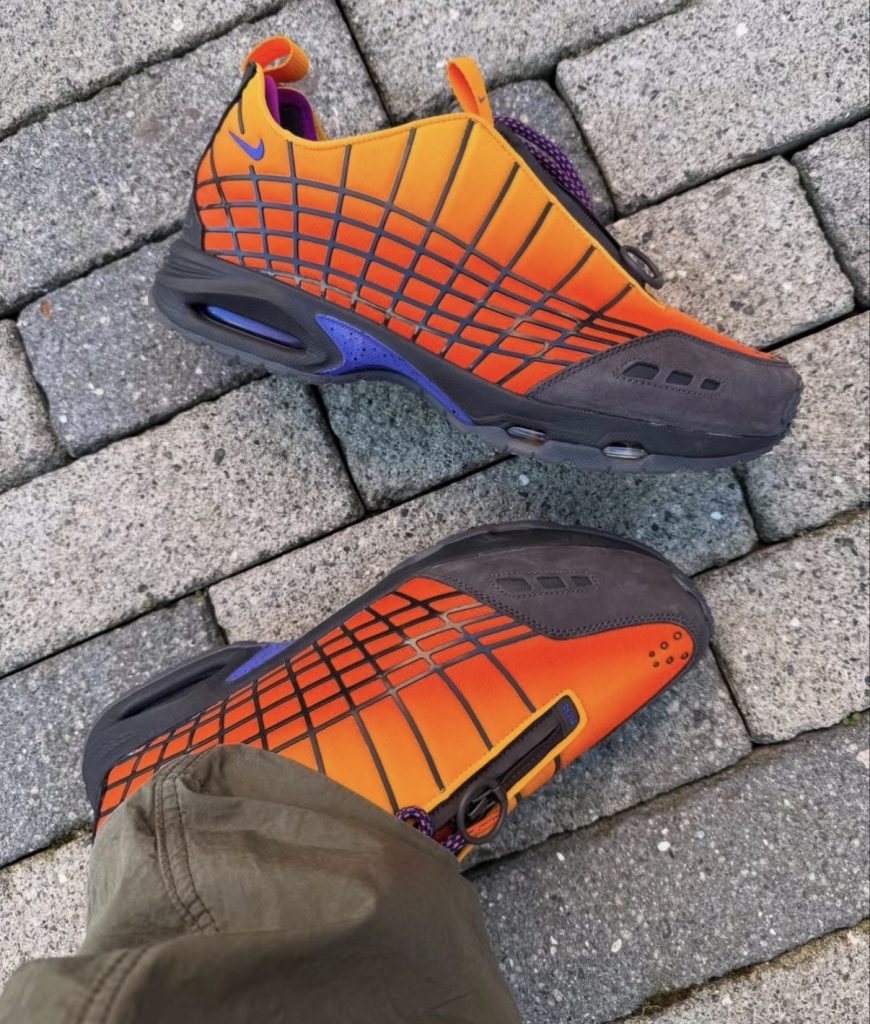
In this interview, Drew reflects on the moment he moved from hyping products to creating them, the lessons from his projects, the mindset shifts that fueled his growth, and the story behind his independent venture, A-FEELING. He also dives into his first collaboration with Saucony, the innovative “The Science of WOW!”, and the risks and rewards of building something truly different in today’s footwear landscape.
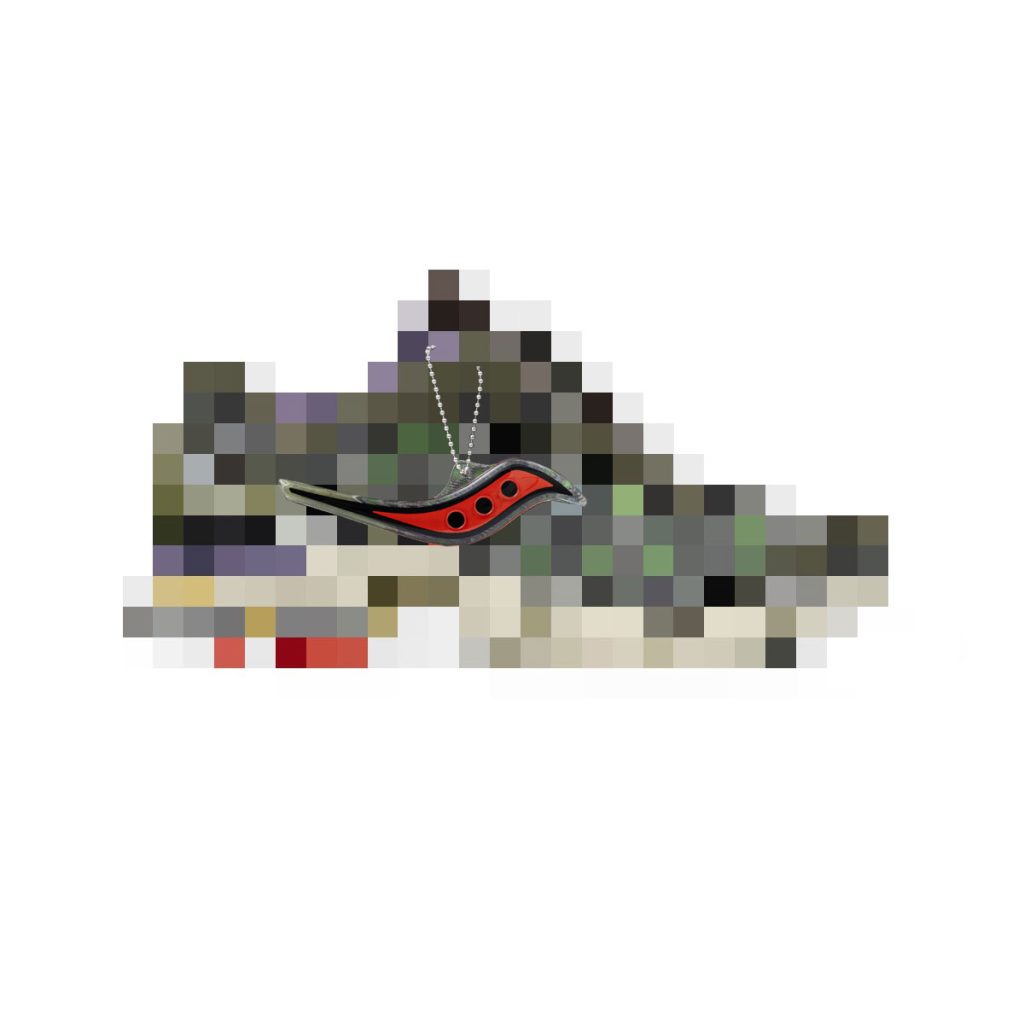
The Saucony x A-FEELING “Science of WOW” collaboration will release on the 28th of July 2026 on saucony.com
You started at Bodega as a marketing intern and worked your way up to lead product designer. What was the moment you realised you moved from hyping products to creating products?
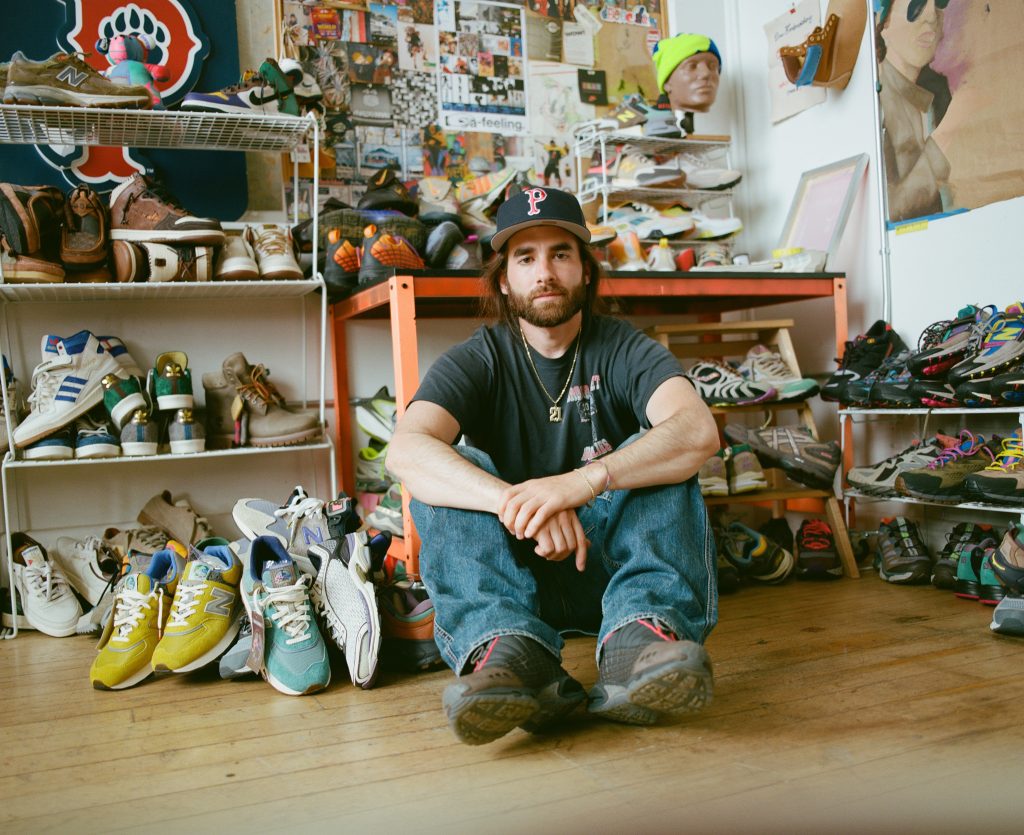
My name is Drew. I’m a designer from Providence, Rhode Island. I’ve been in the footwear industry for 15, 16 years now. I started at Bodega as a marketing intern in 2010, and from there, I kind of learned a lot about the industry and business along the way.
When I started as a marketing intern, they didn’t really sell products on the website. They didn’t have social media, so I kind of started all that for Bodega. Then, as I spent time in that space, I got more clarity on what I sort of wanted to impact and what type of work I wanted to focus on, and it kind of led me to product design.
So, in my last six years at Bodega, I was handling all of their collaborations and private label products.
Rhode Island, Providence, is about 45 minutes from Boston, and I was always into sneakers growing up. So, in high school, I was on forums, everything from Nike Talk to ISS Forums, Sole Collector, everything. There were a bunch of different ones, so I would be there looking for shoes, buying, trading, selling, and getting information about sneakers.
At some point, I came across the mention of Bodega. I forget which forum it was, but it was like, “Oh, there’s this new store in Boston. You’ve got to check it out.”
I remember when I got my license, the same year that Bodega opened, I skipped school with some friends and drove to Boston with friends to go see the store. It was on a Tuesday, and it just so happened that was the only day they were closed. For some reason, Tuesdays, for the first five to seven years of the store it was closed, but they were open every other day.
I ended up making it up there on a day they were open shortly after, but it not being open on my first attempt made me want to go even more. So, I was a customer first, and then I went to college in Boston. I went to Suffolk University, and again, I was always into shoes. I didn’t know what I really wanted to do career-wise, so I went to school for marketing because I felt like it was general enough that I could figure it out once I got in the building.
I was there for a couple of years, and there was this opportunity to get a full class, four credits or something like that, for doing an internship, as long as you could document the internship and have someone sign off on it from the business.
During that period, I was still very much into sneakers, so I applied to Bodega, Concepts, and a streetwear website called KarmaLoop, which were all based in Boston. Essentially, Bodega was the one that responded to my email and pretty much hired me as a marketing intern. At that time, it was all word-of-mouth marketing. They were sort of like the best-kept secret in footwear. People were talking about them on forums and such, but they hadn’t really had an online presence.
So I just recognised that as my opportunity to stick around because I was one of the youngest people there. I understood social media more than the ownership, and I understood e-commerce maybe a little more than them as well. That’s where I was able to, or, in my head, thought, that’s how I was going to stick around and be valuable to what they already had going on.
They were celebrating their fifth anniversary a few months after I started there. Essentially, the role and the business kept growing, and over time, I started social media. I was doing all the e-commerce stuff on Shopify, writing all the product descriptions. Then that went into more of a PR and marketing role, where I was reaching out to different outlets and blogs. At that time, blogs were huge for coverage for footwear releases. I think maybe in a bigger, not necessarily a more impactful, way than now, but it was just a different landscape because now I feel like everyone’s on social media to get their information. Back then, everyone was actually going to specific websites to get information. That was huge in helping aid the growth of the business.
Then I moved into more of a PR and marketing space, but I was still doing and coordinating all the social media, hiring people, and sort of moving more towards a marketing director role. As things continued to grow, there was a need for a project manager-type role and a producer because we were getting a lot of content work where brands wanted us to produce content for certain releases that they had, even if it wasn’t our collaboration. But then, on the other hand, we had a lot more collaborations, so there was a need to produce videos and marketing for those things as well. So then I was overseeing that stuff.
It all happened very naturally. My titles weren’t changing with every responsibility. It was just that one thing led to another. At the same time, I became more of a project manager, kind of like a director of marketing role, facilitating all this stuff. Then the designer at the time left the store. In the background, I had my own brand where I was practicing design. I was learning Photoshop, learning Illustrator, and selling it on my own website.
At Bodega, it was kind of like divine timing because, right before the designer had left, Bodega had taken in my brand. When my brand was in the store, it performed very well for the first time.Then the designer left, and the owners were like, “We don’t have a designer. We need someone in this role. Your stuff is selling well at the store. Obviously, our customers like what you make in terms of apparel. Why don’t you try designing for the shop?”
And that’s how I ended up finding myself in product design.
If you could go back even to your marketing role or your internship self, is there something that you would say to yourself or tell yourself to do differently?
I think everything happened the way it was supposed to, in a way. I don’t know if I would change anything specific besides maybe being more confident in what I contributed or what I was contributing along the way. I’ve always felt like I’ve just been figuring it out as I’m going, and not going to school for design, I’ve always second-guessed things along the way.
I think I’m in a different space now where I’m like, “Okay, I’ve done things that have worked.” So it’s obvious now I can have a little more confidence because I have the ability to show and prove, and I have the experience to back it up. Along the way, I knew what I was doing as well – I just wasn’t giving myself that confidence to experiment.
It took me a long time to call myself a designer, even though I had been designing things for years. I felt like that was too official of a title, and I feel like maybe if I just owned that stuff more along the way, maybe this would have happened faster, or this opportunity could have happened faster. But I’m grateful for how it panned out regardless.
I think that would be the one thing that I would change in terms of my mindset.
Looking back at all the projects, is there one project that taught you the most about how you wanted to design?
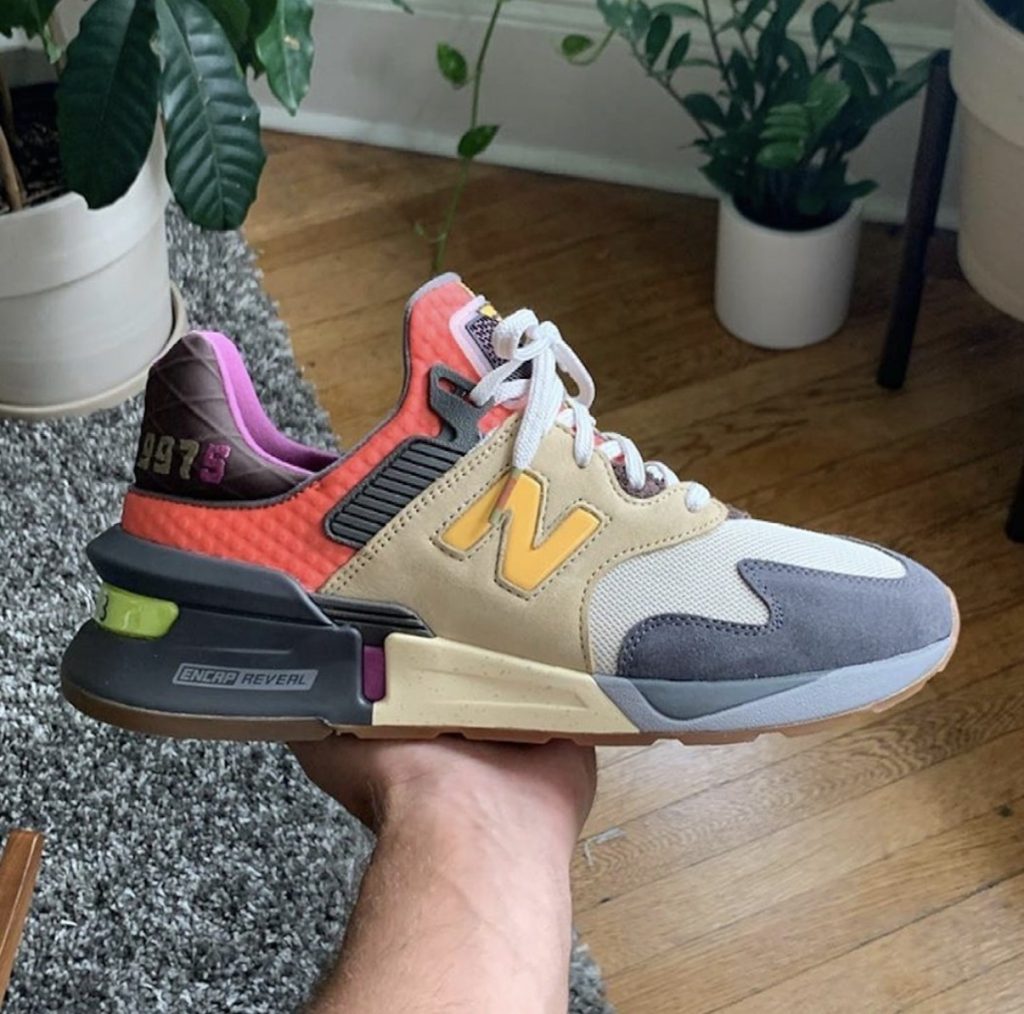
Honestly, I would say it was probably the first project that I worked on, which was the New Balance 997 “No Days Off.” I don’t know exactly what it taught me exactly, but it was a special time at Bodega where everyone there was really grinding it out and trying to just make the best stuff that we could. That’s kind of where the “No Days Off” name came from. It was very symbolic. That project was very representative of our actual lives at that moment. We couldn’t think about this lofty title for the shoe. It was just “No Days Off” because that was the true sentiment of our team.
When that happened, the lesson was that the product really reflects real life, or a level of authenticity that we could easily champion. But I also feel like there were lessons about timing in there. There were some people that said the shoe didn’t make any sense, pretty much how it had the gravity it did and the response that it got, because all we did was post a single product image of the side profile. There was no long marketing lead or anything. It was just the image on Instagram, and it went crazy.
That was a testament to designing something that resonates with people without needing a lot of extras, without being overexplained. Sometimes I feel like the narrative or storytelling gets too robust and nuanced, and then there’s so much focus on that versus creating a product that people can respond to based on their own narrative or their own interpretation of just seeing something.
I think that’s what that project taught me when I look back at it. It didn’t make sense. People to this day who are in the sneaker industry are like,“Yo, I hated those shoes because I didn’t understand why people went so crazy over them,” and I just love that.
Were there already talks about the other colourways when you were designing this, or did that come much later?
No, you know what really happened was we were only making one shoe, and that ended up being the “No Days Off.” But we had so much data from that first launch. I think we only made 1,500 of those shoes, and we knew that there were 30,000 people on the website when it was released. We shared that information with New Balance, and everyone agreed that we should figure out how to follow up.
The other two colourways that launched came from our sampling process. We didn’t try to create a shoe after the “No Days Off” had success. It just came from the other sample rounds that we pretty much cancelled because we were committing to one.
So it wasn’t like we hit the drawing board and thought, “Oh wow, this thing worked. How do we make another one?” We kind of just looked back and thought,“We had so many good versions that we lookedover in this process. Let’s just take one of those and figure it out.”
Looking back at that time, are there some samples you liked better than what was released?
Yeah, there were so many shoes that came out where I liked one of the samples better than the one that we released.
But I feel like it’s that balance because we had the buying team, which is looking at the saleability and what the customer is going to gravitate towards. I’m looking at the uniqueness of the thing, which sometimes can translate to selling well, but other times I can see why the buyers would be a little more adverse and not share the same vision in terms of just trying to do something that’s kind of crazy. That’s just always where my head is. I’m always trying to pick the thing that is the most distinct and different, and that’s not always the thing that’s going to drive sales.
Has there ever been a project that fell through and never happened?
There were a bunch.
In the end, though, it was two years ago when I left Bodega, but I was still designing, and they were hiring me as a contractor to design sneakers here and there.
We had a Timberland project that got scrapped, which would have been really dope all sorts of crazy details. It was the six-inch boot, which would have been sick, but in the end that got scrapped.
Then there was a New Balance 650, the high-top, that was while I was still at Bodega full-time, and that one got dropped. I feel like that would have been successful because that was the time when everyone was doing 650s.
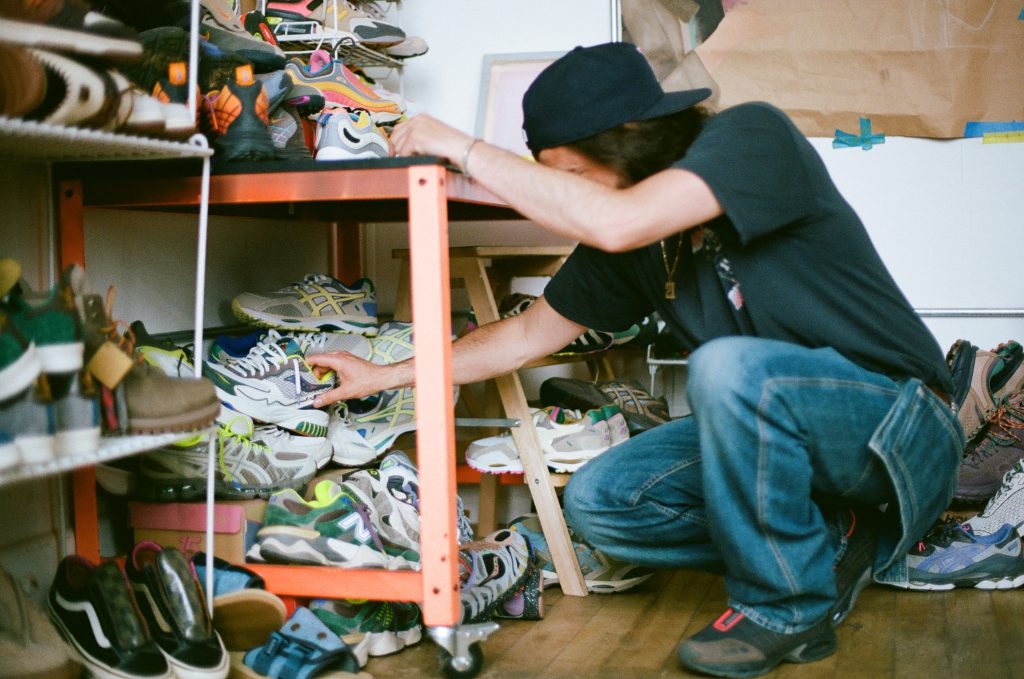
There are a lot of great samples that have never seen the day of light. I have a bunch of them to this day, so I want to figure out ways to tell my own stories around some of the design processes.
Was there a specific moment when you realised you wanted to build your own platform rather than contribute to someone else’s?
I ultimately left Bodega just because I felt like I reached the maximum and my growth was capped there because it was not a big company. I couldn’t go any further up the ladder. The next level was ownership, and I was never going to be an owner.
If anything I feel like I graduated from Bodega. I don’t feel like it’s like a dark cloud or something. I have a lot of love and respect for them. It just reached a point where I was like, “I want to be able to do different types of projects. I want to be able to work with different partners, et cetera.”
Initially I really thought I was going to set up this business and design as a service for other businesses, which is how it started. That’s why I started A-FEELING, and it was pretty much my design services business where different brands could call on me for whatever graphic needs or design needs that they had.
The first project that I got leaving Bodega was the Kids of Immigrants x Nike Sunder, and that was just a huge moment for me because it sort of established that I was capable of doing this type of work outside of Bodega’s platform.
I think the biggest thing also for me is just considering ownership and wanting to be in control, having more control of my creativity and my output, I guess.
What does A-FEELING mean to you personally? Where did the name come from?
The name comes from whenever people would ask about my process, or people used to ask me very specific questions about design decisions that I made.
Since I didn’t go to school for design and I don’t necessarily have all the technical prowess when it comes to design, I didn’t learn in a very technical fashion.
I very much leaned on my own sensibility and intuition to make certain decisions. Sometimes, I feel like people expect an elaborate explanation for why something is a certain colour or why this material was chosen.
There were so many times when I’d be describing my point of view or perspective, and I would always describe it by saying, “You know, I picked that colour because it felt right, and then it balanced well with this.”
I didn’t have real technical reasoning a lot of times. I just leaned on the idea of trying to evoke a feeling through the work, but also leaning on what feels right in the process of creating the work.
And it sounds very elementary, but that’s truthfully where the name came from.
A creative process heavily leans on the idea of feeling, trying to consider what the person on the other end, who has no context, gains or gathers from the things I create. I hope it evokes some sort of energy or a feeling.
Whether it’s good or bad, if people are just like, “Eh, it’s alright,” I’d rather people hate or love it. I’d rather there be that polarising effect with the work.
That’s a driving force in my creative approach: considering a feeling, or how it feels.
That’s sort of why I was like, “If I name my company that, it’s something that’s never going to change.”
And that part of it, I think, is what makes what I make different from what other people make. Ultimately, that could be said about any creative or artist.
Can you tell us more about how the Saucony collaboration happened?
That was my first ever solo collaboration, and I think it was largely due to just my relationship with Saucony over the years. I have a good relationship with the people there. They also knew what I was responsible forin the background at Bodega and for these other brands that I’ve designed for.
So it very much was based off of who I am as a person versus my brand. My brand didn’t really exist in a forward-facing way before this moment. I always had this vision for it. I want to open a store under the name and do all these things under that banner, but that stuff hasn’t materialised yet.
I think Saucony just had confidence in giving me this opportunity based on my own personal output, and having confidence that the brand will be built to mean something in the near future.
The Saucony project is called “The Science of WOW!” Where did that name come from, and what actually creates a wow moment for you?
I do a lot of research when I’m working on projects.
So, and there were two distinct moments where I came acrosss this phrase.
Years ago, when I worked at Bodega, I went into this Saucony archive, and I came across this shoe box that I just liked the design of. It was for one of the early ’90s Grid shoes. When you opened the box, it said,“Experience the Science of WOW.”
That’s how they used to talk about their cushioning technology. It would be summed up by “the science of wow.” I had taken a bunch of photos on my phone of this box, but this was like five or six years ago, and I never thought about it again, really.
Then, coming up to this moment, I was just always looking up archival materials, whether it’s ads, print ads, commercials, or just the different ways the products were presented over the Years. I came across this one print ad that had this very dynamic image of the Grid. I bought it off eBay. It had some of the shoe models, but it had “The Science of WOW” right in the middle, at the bottom. It reminded me of the box that I had seen years prior.
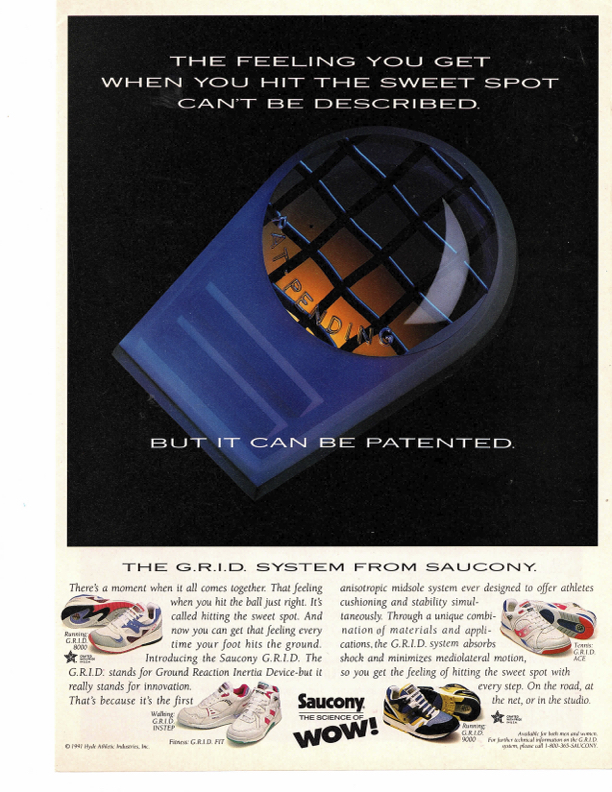
I was like, “That’s so interesting that they haven’t brought that back,” because I feel like it’s so powerful.
“The Science of WOW” isn’t a real scientific thing. It has to do with a feeling. It has to do with energy. Like, “wow” itself is an expression, an emotional expression, more than it is anything measurable.
So, when I came across that again, I wanted to run with it. That’s also the era of Saucony print ads that were the best visually, so I bought the original ad because I wanted it regardless.
The way they describe “The Science of WOW,” they mention a feeling all throughout the text. “You just know when it feels right. It’s the sweet spot”
So I was like, there’s so much to go off of with this and my brand that I need to own this. It was not something that was even on their radar, I think. It’s like I kind of educated them, in a way, about their own marketing terminology that they had forgotten about.
They appreciated that I was looking back at their own history to inform how I wanted to approach my project. Once I had that, that phrase became the North Star that fed into everything else.
I wanted to approach the marketing in a way where I wasn’t leading with glamorised images of a shoe. I might not even want people to see the shoe that’s coming out.
The first instance of all this was with Jason from Saucony, and he said, “We need to put the shoe in the showroom for Paris Market Week in January.” And I’m like, “Well, that’s going to sabotage the whole marketing approach because I don’t want to show it this early on.” He was just like, “Well we’ve got to put it in the showroom, so try to figure out a solution of how you could do that in a clever way.”
Then, essentially, I built this box out of wood that had a peephole and its own lighting system, where you could see a portion of the shoe, but the whole thing wasn’t revealed. Often times at these showrooms, people just take the shoe off the shelf and take bad cellphone photos of it, and then it circulates that way. So I just wanted to prevent all that, and I wanted to keep that element of surprise alive with the whole rollout, where you had to really be engaged and follow what was happening to get a glimpse.

That lead me to the blind-buy thing, where you could pull the trigger and buy it now hassle free without ever getting a full glimpse of the shoe. And the only incentive was that you get it early, and we’ll cover the shipping, but you have to take that bit of risk.
Those are all the things that the larger Saucony team, I think, didn’t understand when I was talking about it, but they quickly understood once they saw it happening in real time and people were actually interested.
That’s kind of how I ended up committing to the idea of “The Science of WOW.”
Were you nervous about asking consumers to purchase into an idea before seeing the sneakers?
Yeah, I think it was risky. Everyone thought I was crazy. They were like, “Why would you not show a product that you’re trying to sell people? That doesn’t make sense.”
And I’m like, “No, I know, but I’m trying to win off of the boldness of it, or the approach that deviates from what everyone else is doing and the impact that could have…”
I feel like the space that footwear is in right now, I really wish bigger players in the space would do things like this, or try to energise the release by just challenging the status quo, but it hasn’t been happening. And I didn’t have much to lose with this being my first release and all.
My biggest goal with the whole thing was just to be impactful and different and memorable because it’s my first, and I don’t get another first. So why not try all these things and then figure out what actually worked and what didn’t? I’m using it as a case study for future stuff, and I’ll at least be able to learn from it.
So that was kind of my mentality. And it honestly worked out.
I sold around 250 pairs, all blind, with no one seeing it, which was crazy. I was not expecting it to be that much. Pretty much everyone kept them. It was dope getting the real-time feedback from people who did pull the trigger on the blind buy because people were amped. And then, when people got the shoe, what was cool to see was people were like, “I made the right decision.”
People were more excited about how it showed up on their doorstep and what the experience was like, which is part of what I was trying to instill and bring back too. We’re fed imagery of footwear all day long on our social feeds. You almost always know exactly what to expect before it’s even in your hands. And I kind of wanted to reward the regular people for taking the step and buying the shoes.
It’s not like it’s going to the unboxing sneaker influencer people first, and then they’re talking about, “Oh, those suede, this, the thing is this,” and they’re trying to sell people on it. I think it puts the power in regular people’s hands, people that support what I do, to champion it and be like, “I made the right choice,” and let their people know, like, “These are sick.”
Which I think is just way more powerful and genuine because it was people that actually paid for it, and then they were happy.