Streetwear once started as a statement, a unique voice unafraid to stand out and disrupt in the world. Back then clothes actually meant something, you were part of a culture if you wore Supreme, Palace or Corteiz. But the more we head into 2026 the more that loud voice becomes silent. More often than not, what you see on the streets, on social feeds, and in storefront windows is a variation on the same theme, the same cuts, the same silhouettes, the same colour palettes and the same reactive fabrics. We’re living in an era where brands don’t build from ideas, they respond to them. And thermochromatic clothing is the perfect example of how the entire industry fell into an innovation trap: the illusion of originality without any substance. We are moving into a kind of echo chamber where every brand seems to respond to the same questions, but nobody really answers them.
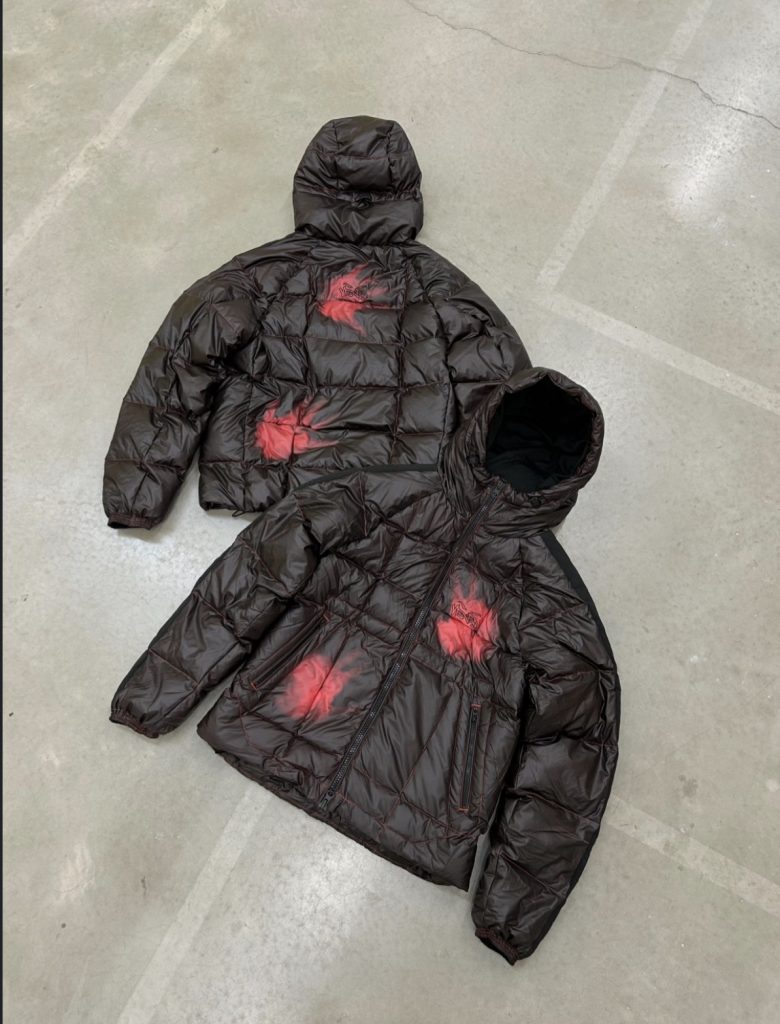
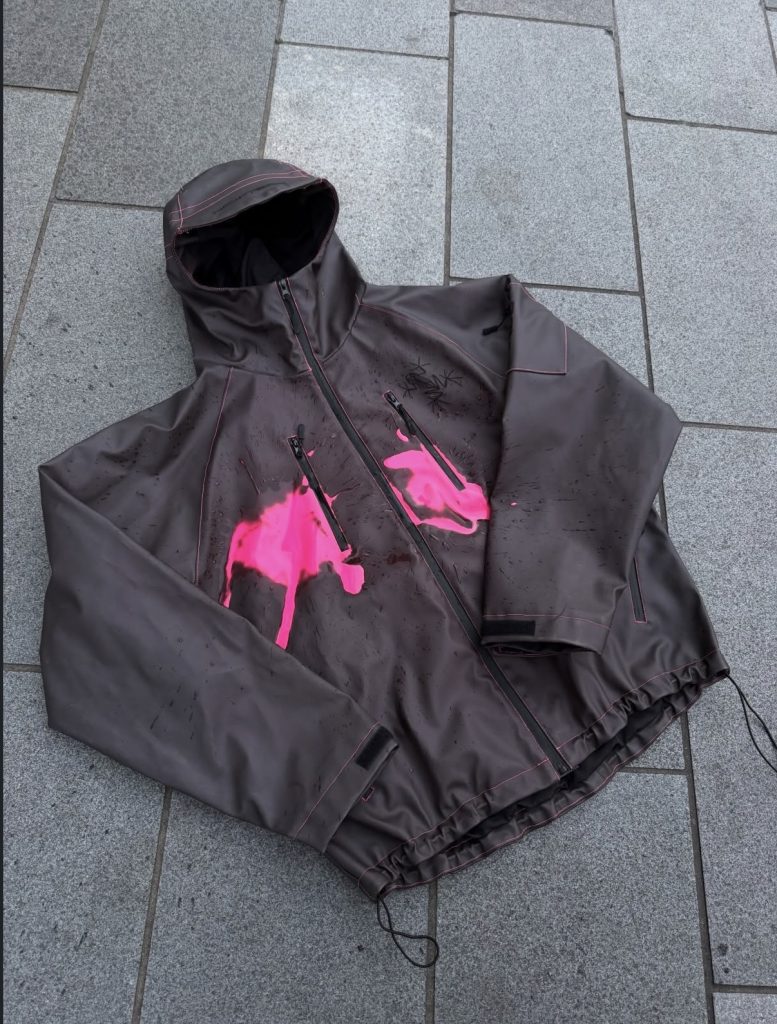
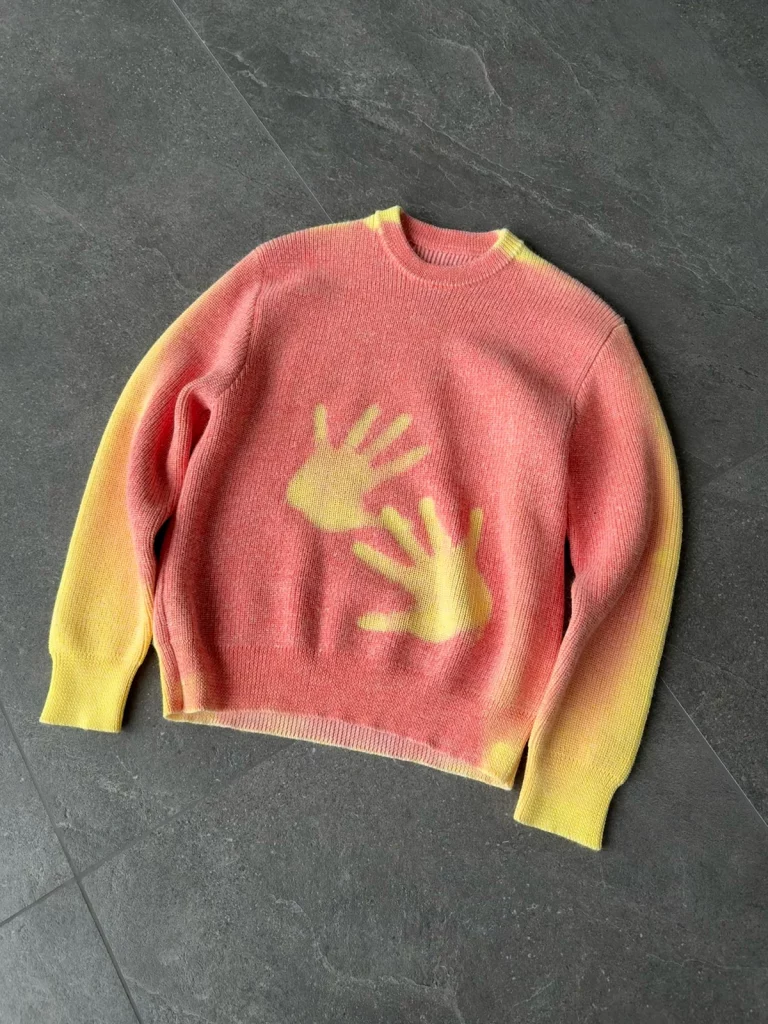
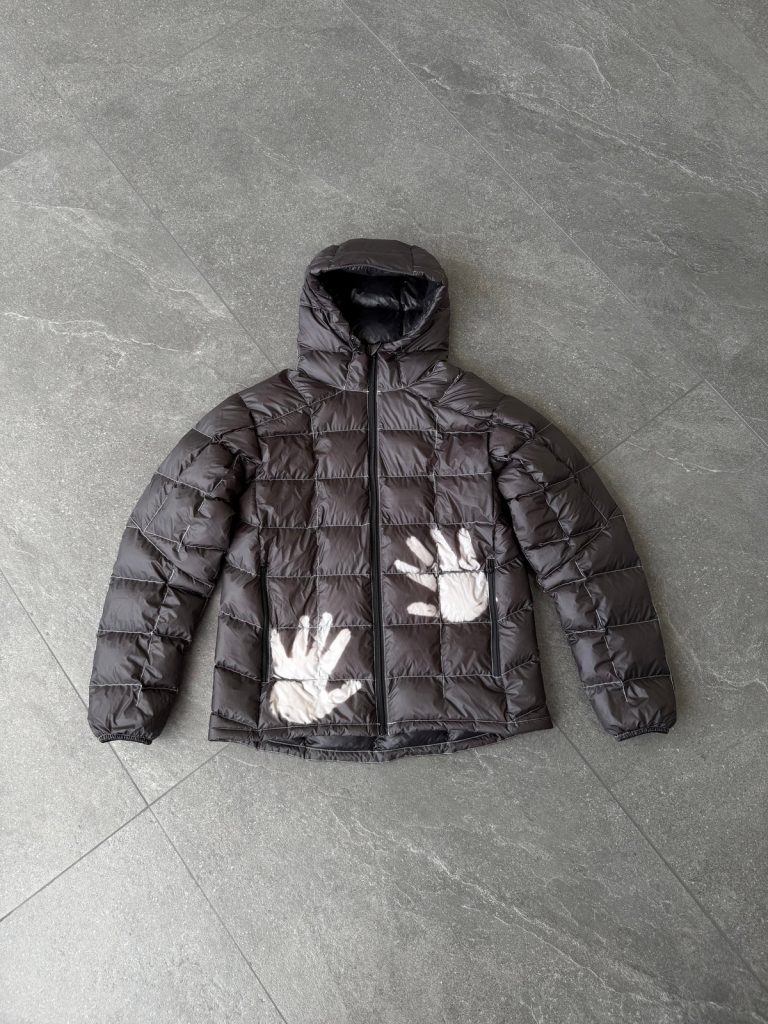
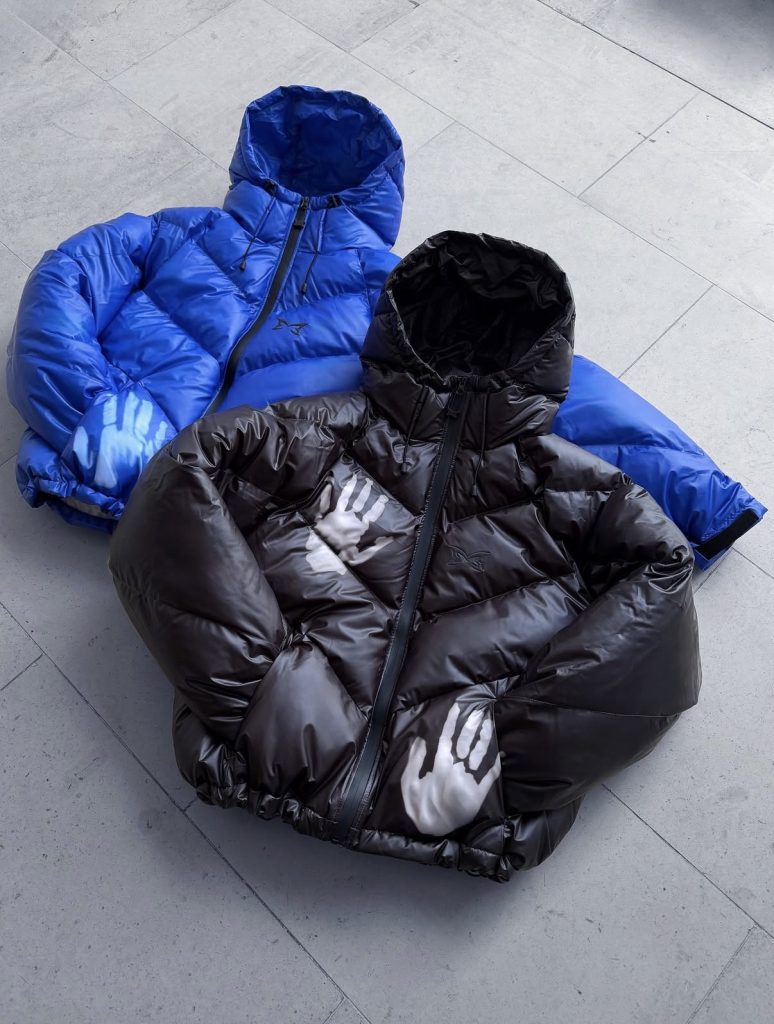
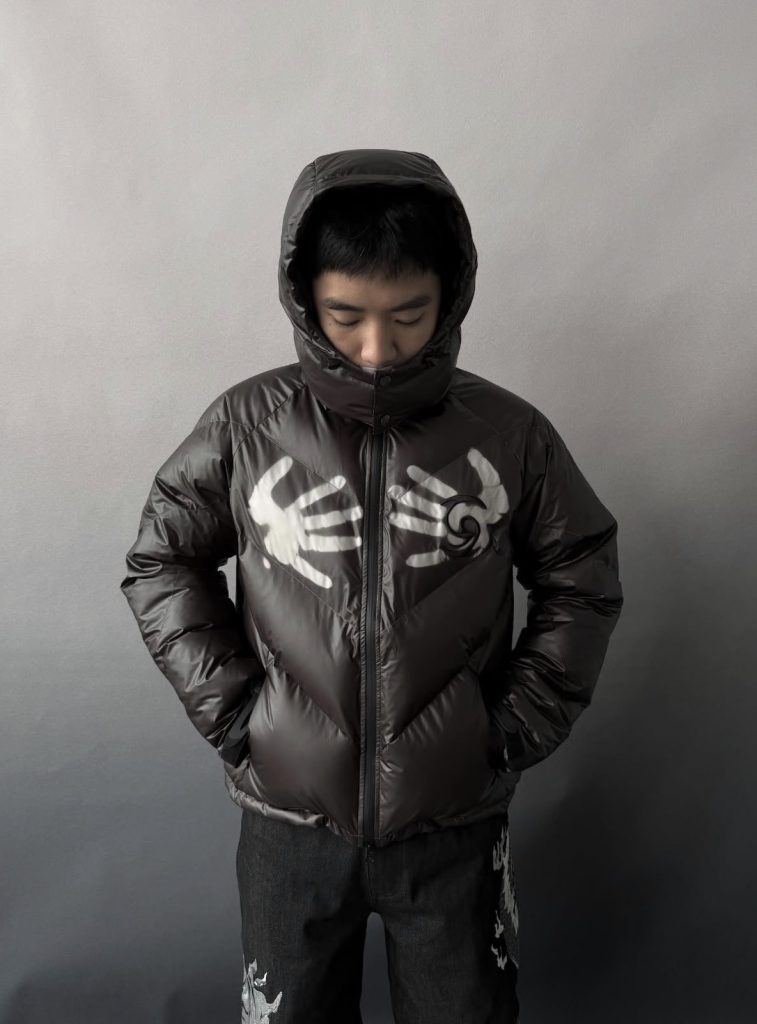
Even technical innovations, fabrics that react to water, heat, or light were once seen as the future of garment are now part of the copy-and-paste economy, thanks to social media. Thermochromatic fabrics, once a genuine flex of technical creativity, pioneered when Stone Island introduced its iconic thermosensitive (heat-reactive) jackets in 1989 have now become the easiest shortcut to fake innovation.
Stand Out From The Masses
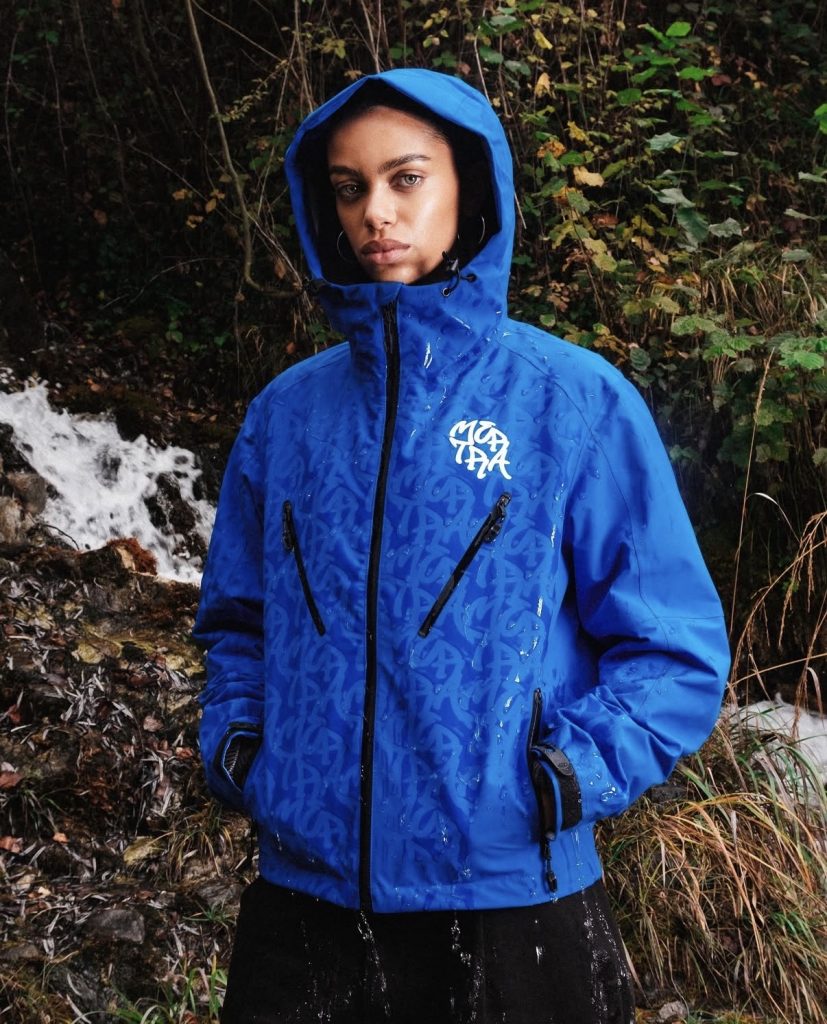
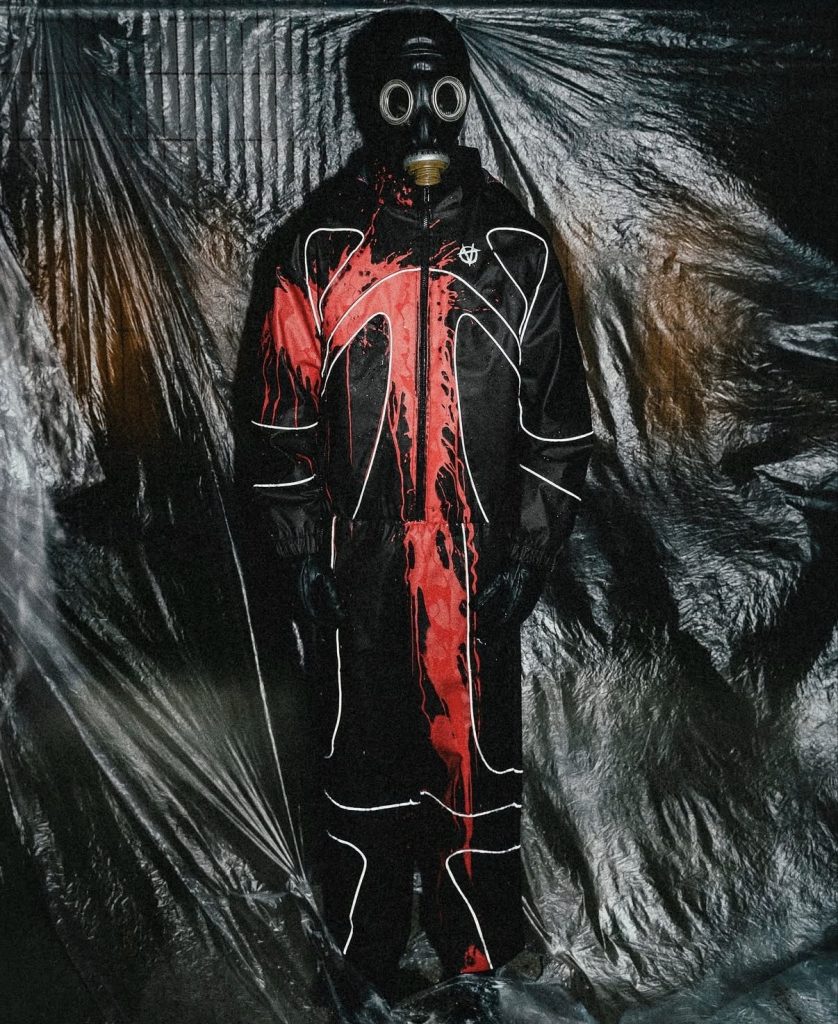
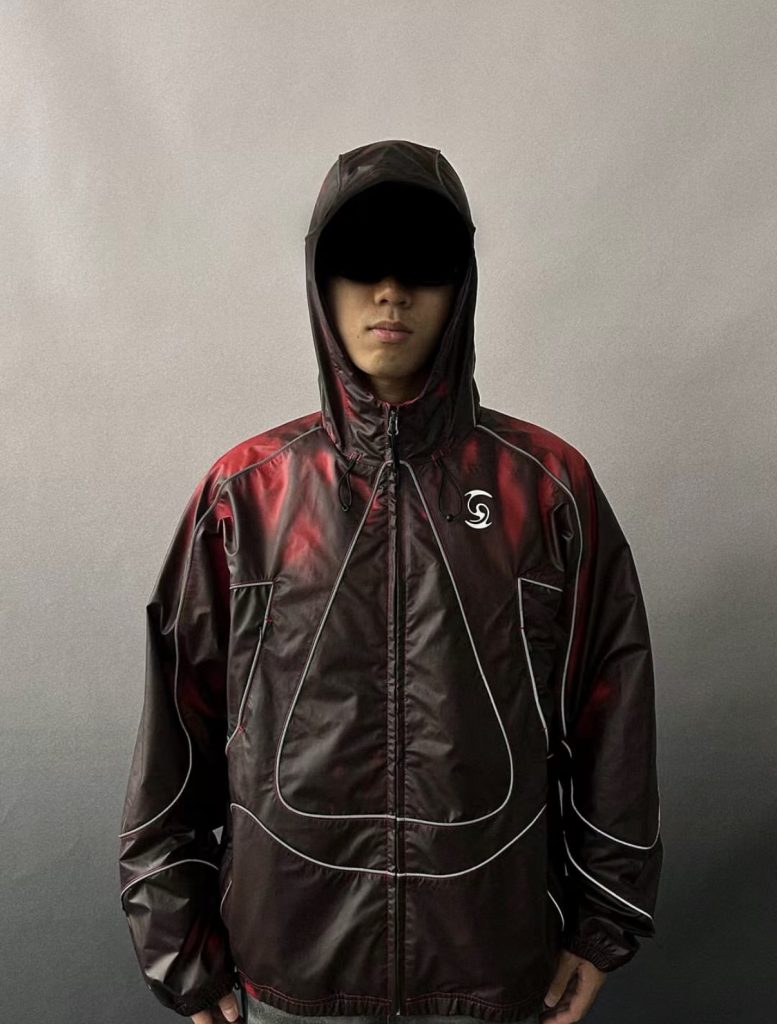
Carpet Company sparked interest when they experimented with reactive fabrics in ways that felt organic to their identity. Mertra followed with their own twist, an exact copy that caused a ton of controversy but wasn’t tacky. But the second the idea hit a wider audience, the floodgates opened. Nowadays you can measure how popular something is by looking at how many brands do the same thing. The moment one clip of a jacket changing colours in the rain goes viral, every brand copies it and lands in the echo chamber. Innovation can still be powerful, if done right, but at the moment there’s no intention anymore.
The echo chamber feels suffocating, but it also means one thing: It’s never been easier to stand out. All it takes is intention. All it takes is a story. All it takes is refusing the safety net. Slow down. Think longer. Build locally. Break convention. Create garments that reference something real, not something trending. The streetwear landscape doesn’t need another heat-reactive jacket. It needs perspective. It needs character. It needs brands willing to go deeper than a gimmick. Because if your entire brand strategy relies on a fabric that changes colour when it gets warm, then the moment the trend cools off, so will your brand. Thermochromatic clothing won’t save you. Meaning will. All brands, no matter where they come from, is just chasing that one moment of vitality. It is time for brands to listen and to answer the questions, instead of responding.
From Subculture to Global Template
There once was a time where every city, had its own unique style, skateparks in San Francisco, bmx parks in London, bmx scenes in Tokyo, hip-hop blocks in The Bronx, street culture in Amsterdam. They thrived because they had their own uniqueness, their own flavour, it was like a secret code of belonging, now that diversity is mostly gone.
In a time where everything is digital, global and fashion moves fast. A trend emerges in one city, spreads to the next one within a couple of hours and a week later the whole world caught up. What used to take seasons, borrowing, redesigning and make it your own now happens overnight, way too rushed.
Why Quality and Soul Are Getting Lost
Streetwear used to be special. Even the biggest and boldest graphics came from scenes that had a history. Each garment used to have a reference, a story. Now, the story starts and ends with a drop mechanics. The economy of money has replaced the economy of meaning. When brands repeat rather than innovate we lose more novelty and legibility. Outfits no longer mean or represent anything, but they only say that you know the current trends. There’s even evidence that cultures thrive when differences are allowed.
Times are difficult, but streetwear still has a chance to be unique instead of playing a game of copy and pasting. It is time to put less pressure on brands to conform to trends and give brands time and space to breath, to invent real meaningful products and to be creative again. All it takes is a story. All it takes is refusing the safety net. Slow down. Think longer. Build locally. Break convention. Create garments that reference something real, not something trending. The streetwear landscape doesn’t need another heat-reactive jacket. It needs perspective. It needs character. It needs brands willing to go deeper than a gimmick.