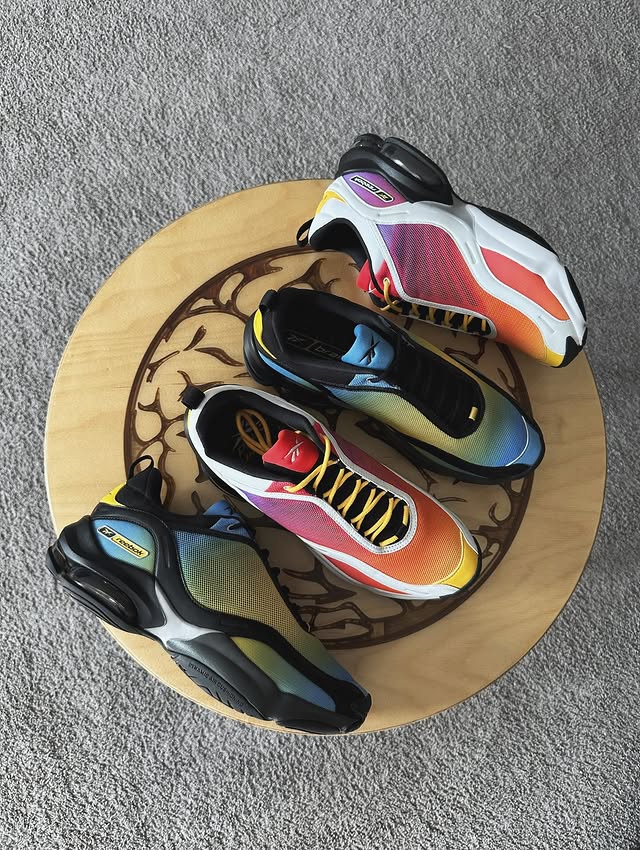
Since launching Brain Child in 2019, founder Doug Ansine has built the Boston-based label into one of the most distinctive voices in streetwear. Rooted in nostalgia, anime, product design and a deep belief in the power of creativity, Brain Child has become a vehicle for Ansine’s personal vision, encouraging people to reconnect with their “inner child” and transform ideas into something tangible.
A graduate of Massachusetts College of Art and Design (MassArt), Ansine first made his mark through his earlier brand, Parlay, before taking a step back and rethinking his creative direction. The result was Brain Child: a brand founded not only on clothing, but on community, storytelling and authenticity. Over the years, that vision has led to collaborations with the likes of Hidden.NY, VANDY THE PINK, Concepts and Sneaker Politics, helping establish Brain Child as a respected name within streetwear culture.
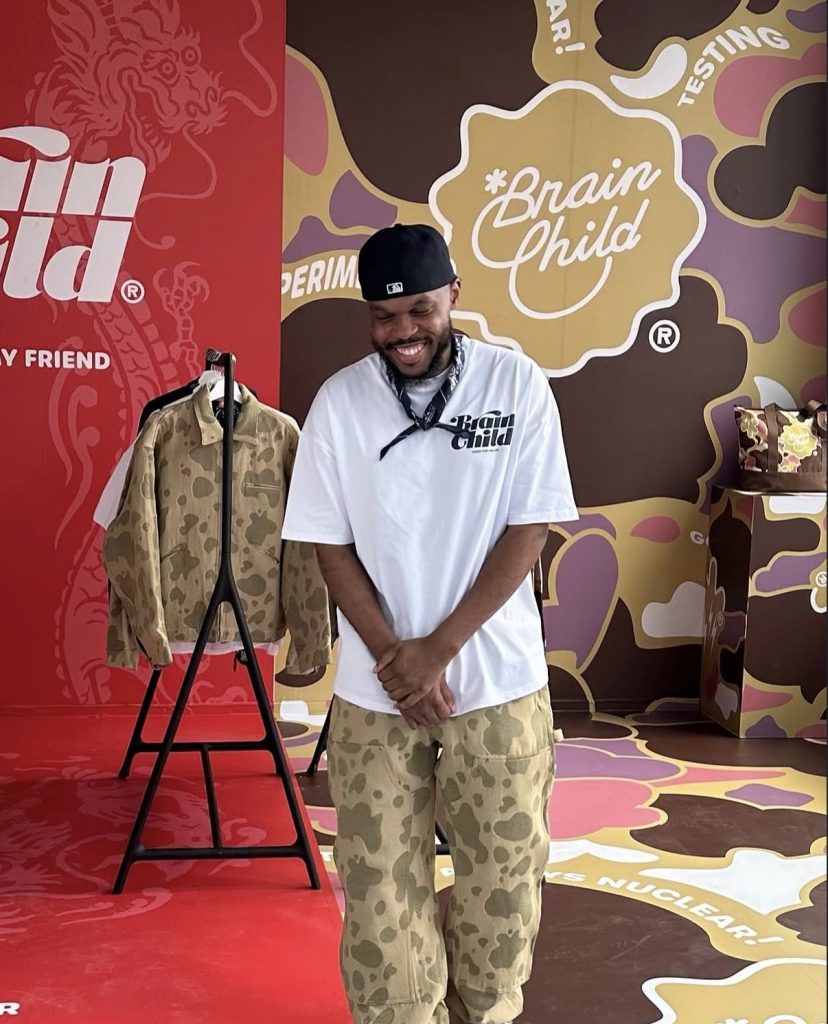
Brain Child launched in 2019 with a mission to energize people’s “inner child”, where did that idea first come from, and how has it evolved since?
The idea first came to me at the end of 2017. I was in a very hard place creatively, and it led me to the desire of wanting to just have fun with designing again. I had just decided to discontinue my first brand that I started in college, and spent the entire year of 2018 developing Brain Child behind the scenes.
Before Brain Child, what were you doing, and what was missing from that path that made you want to build something of your own?
Before BC, I was running a brand called Parlay (PRLY) from 2012-2017. It was just a very different time in social media, and back then I didn’t fully understand what it meant to build a community. The foundation of Parlay lacked that heavily, and it started to show more and more as I continued trying to build on top of a foundation that was never solid in the first place. When I started BC, I decided that it would be based on who I was at my core. From the references I grew up on through anime, and through my own personal style.
Growing up in Brockton and studying industrial design at MassArt, how did Boston shape your creative identity and eventually the DNA of Brain Child?
Growing up in Brockton really shaped me in ways that I believe helped me become very resilient in my pursuits as a creative. It can be a tough place for a lot of kids, if you’re looking for bad things to get into, its definitely around and available. But if you stay out of that then it really opens your eyes to just how big the rest of the world is compared to where we grew up. I also credit my parents for traveling with me to other states and countries from a young age for me to realize that early.
I knew if I wanted to not just be good, but be great at what I was trying to accomplish in life then I’d have to be a student first. Thats what led me to Massart, and I applied everything I learned there into BC.
The name “Brain Child” feels very intentional. What does it mean to you personally, and how does it inform the kinds of projects you take on?
As a creative, I believe that taking a concept from idea to reality is one of the most fundamental steps in achieving growth both personally and professionally. I know some creatives that have had some of the best ideas, but it stayed in a notepad or a Dropbox folder somewhere. So in turn, they denied the rest world a chance to see their greatness. Ideas may live forever, but the energy behind them has to be fueled by the right person at the right time for things to really fall into place.
So for me, Brain Child is an homage to that creative process. Making a concept on paper something real and tangible, something to be felt. When I take on a project whether collaboratively or just for BC, I make sure its something that I feel strongly about in my core first, and then that dictates how I go about it from there.
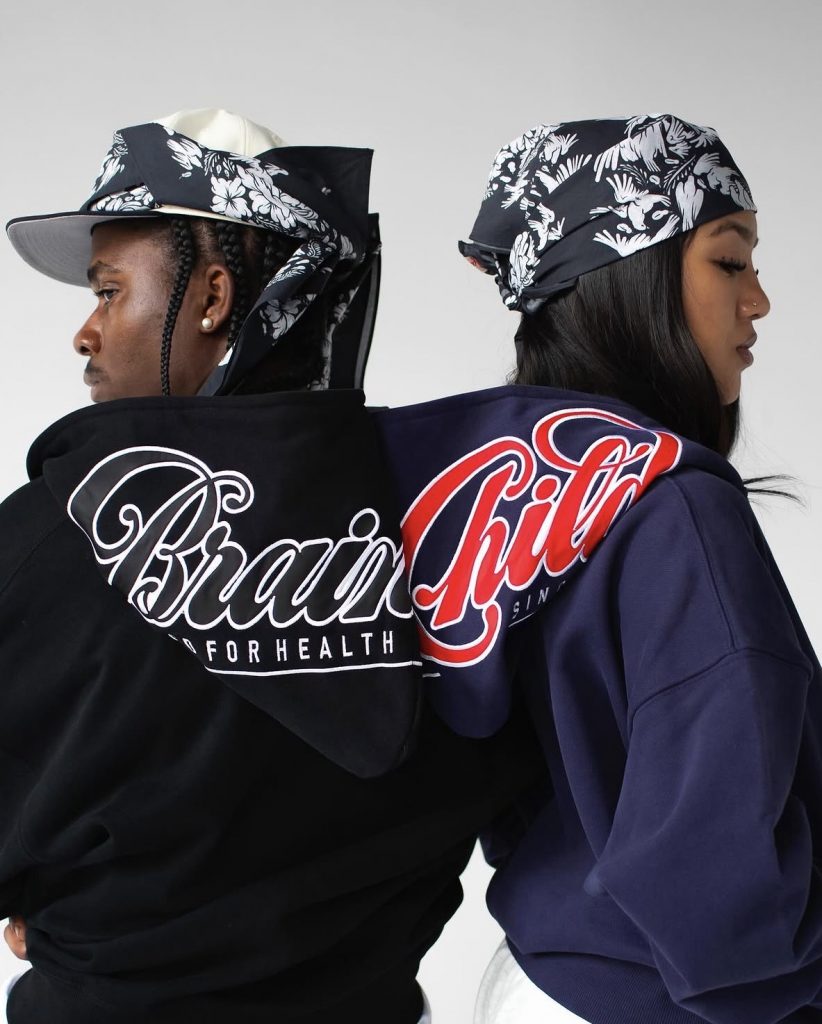
Your work pulls from Japanese animation, product design, and personal nostalgia, how do you balance all those influences without losing a cohesive brand voice?
This is a great question! I feel weird admitting this, but I believe the brand is just now starting to get into it’s most cohesive years starting in 2026. Those early influences of Japanese anime and personal nostalgia were heavy in the brand throughout the last 7 years, but I believe it was at its most authentic in 2019-2020.
The pandemic hit just as I had reached the one year mark with BC and became a father for the first time. With the world seemingly on the brink of collapse, I felt the need to rush and explore other ways the brand could look and feel. I think as of this year, with the return of the baby logo and a few other details only the OG community behind the brand really know, I’m finally getting back to that core essence of how things should look and feel with BC.
Walk me through what the early stages of a new collection look like for you. Where do you typically start, a visual, a feeling, a reference?
I’d say it usually starts with any or all of those things. As a creative I think I have an unorthodox way of designing and putting ideas out. I don’t have a process that always starts the same exact way, but I do have a process for how it moves through the different stages once the idea has matured a little. Which is a huge part of why it feels cohesive when the product finally releases.
You’ve worked with Hidden.NY, VANDY THE PINK, Concepts, and Sneaker Politics, what do you look for in a collab partner, and what makes you say no?
I think that goes back to just the right project at the right time. Sometimes when creative energies are aligned and in a flow state, things just click between collaborators. When things feel forced, it makes it easier to say no.
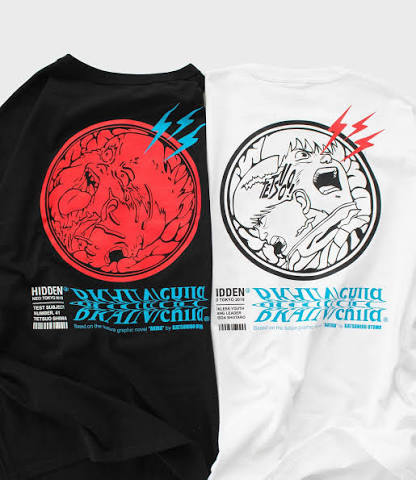
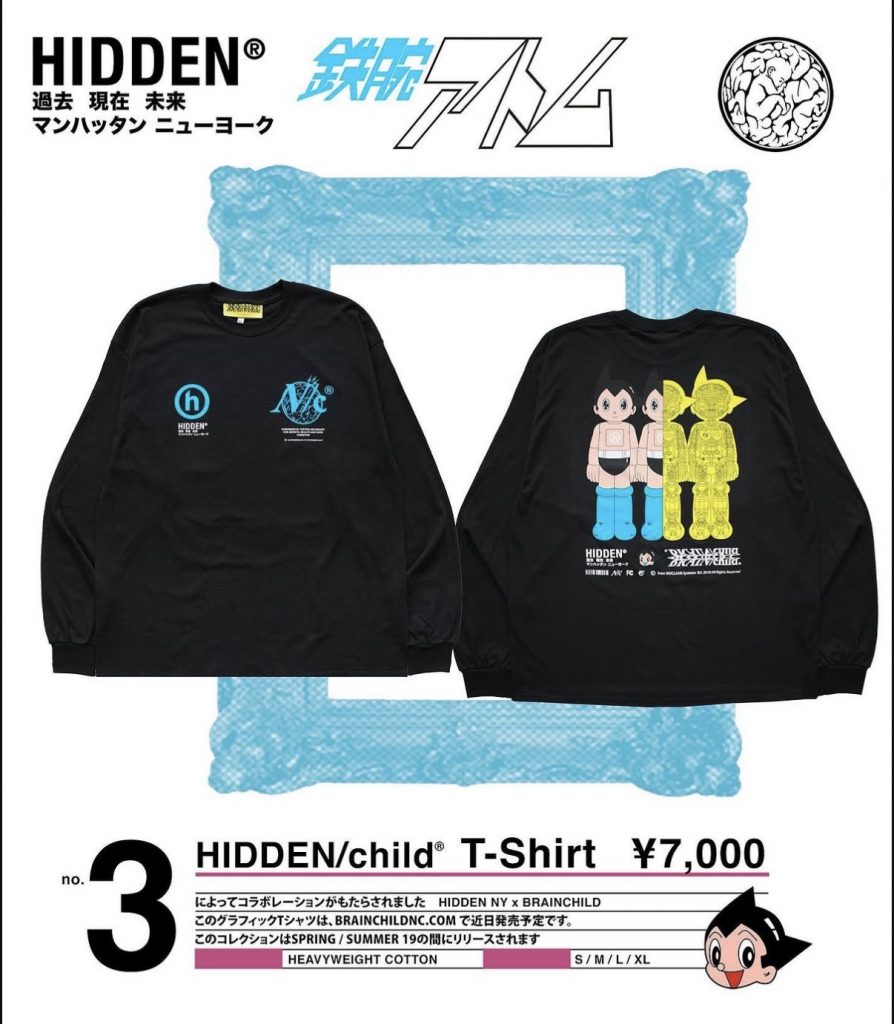
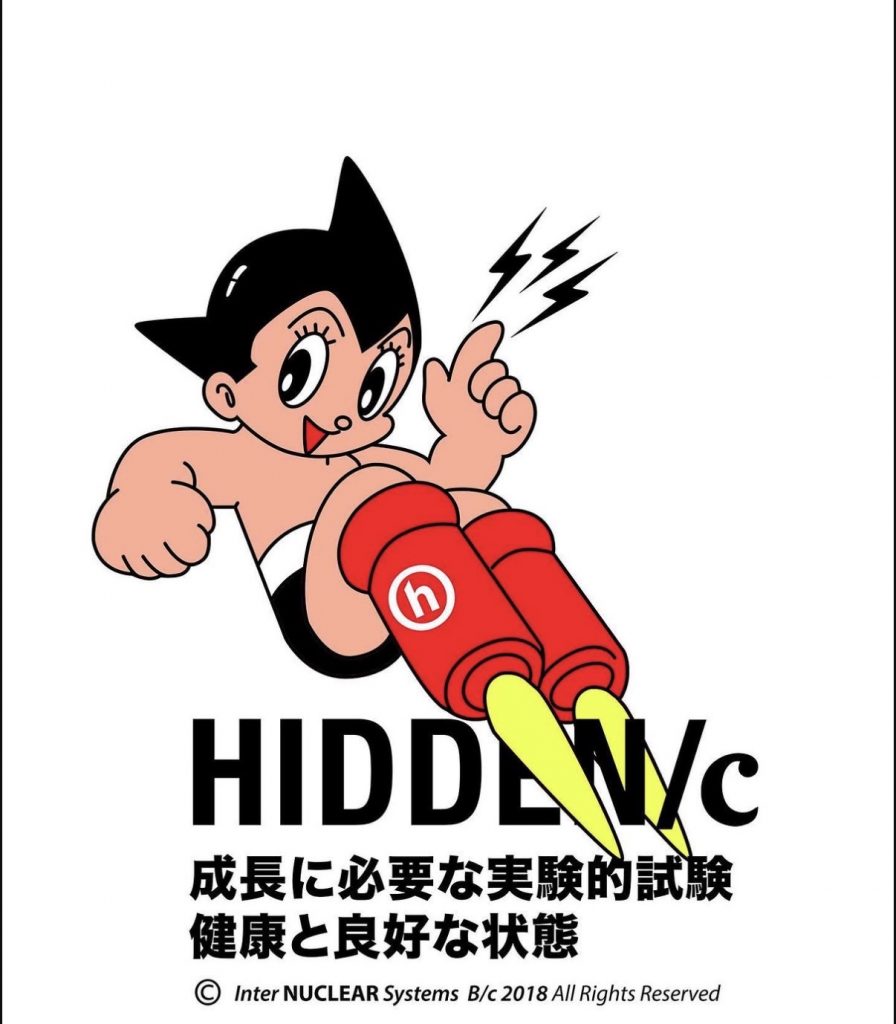
The Hidden.NY Akira-inspired tees felt very true to your interests. How much creative freedom do you push for in collaborations versus compromise?
I think I’m always trying to find the right balance when collaborating. A true collab I believe should look effortless, and bring something to the table that each brand cannot do as well on their own.
The “Nebula” DMX Series 3000 is Brain Child’s first-ever footwear project, why did it feel like the right moment to step into sneakers, and why Reebok specifically?
The opportunity came to me at a time where I was unsure about continuing on with the brand. I was in a weird place creatively at the start of 2025, but starting this partnership with Reebok gave me back my spark. It’s really what propelled me to find my own creative path again and push forward.
Why Reebok? I think the real question is “why not?” Other the fact that their located right here in Boston, I truly believe they have one of the best archives in footwear. Plus, it’s a really good team over there that I got blessed with. Sometimes being in a room where you’re celebrated is more important than just being in the room.
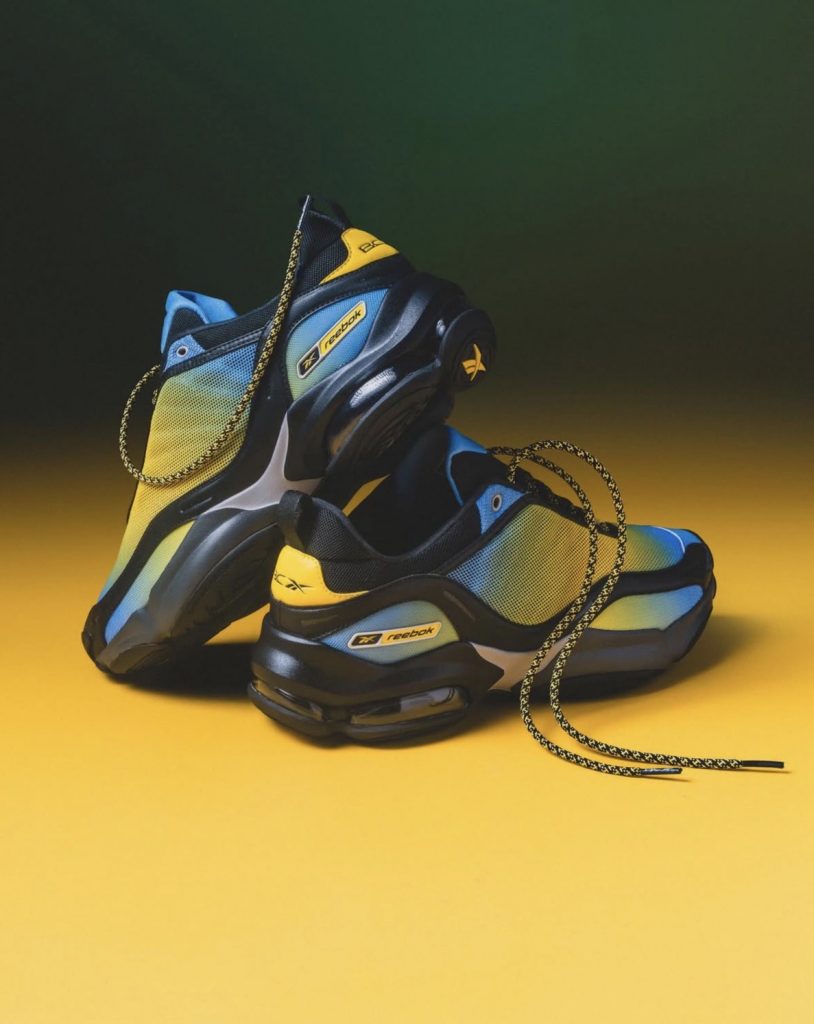
The colourway is described as a tribute to the albums and soundtracks of your upbringing. Can you talk about the music that shaped you and how it translated into the gradient design?
This project allowed me to really think back to the start of my creative journey, which for me really began during my Jr and Sr years in high school. Man On The Moon had just dropped around that time, and was my personal daily listen. The “You’re In My Dreams Now” tagline written on the side of the box is an homage to the first song off the album. This shoe felt like my first album.
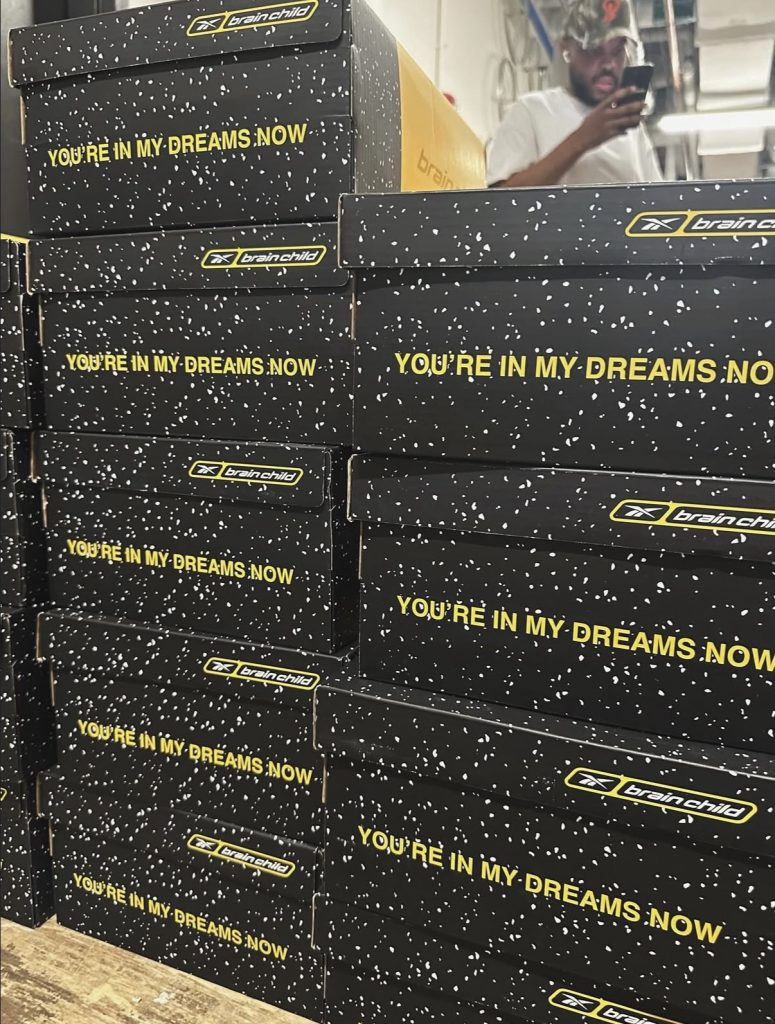
You chose to launch the collaboration at MassArt, your alma mater, rather than going with a traditional retail rollout. What was the reason behind that decision?
That’s the place that shaped me the most as a creative. The real story behind me going to Massart and pursuing Industrial Design was originally to design footwear, I just happened to pick up designing clothes as a way to keep my creative flow going. So the moment was full circle for me. I got to bring my community to my origin story, and really give something back to the school that I felt had given me so much.
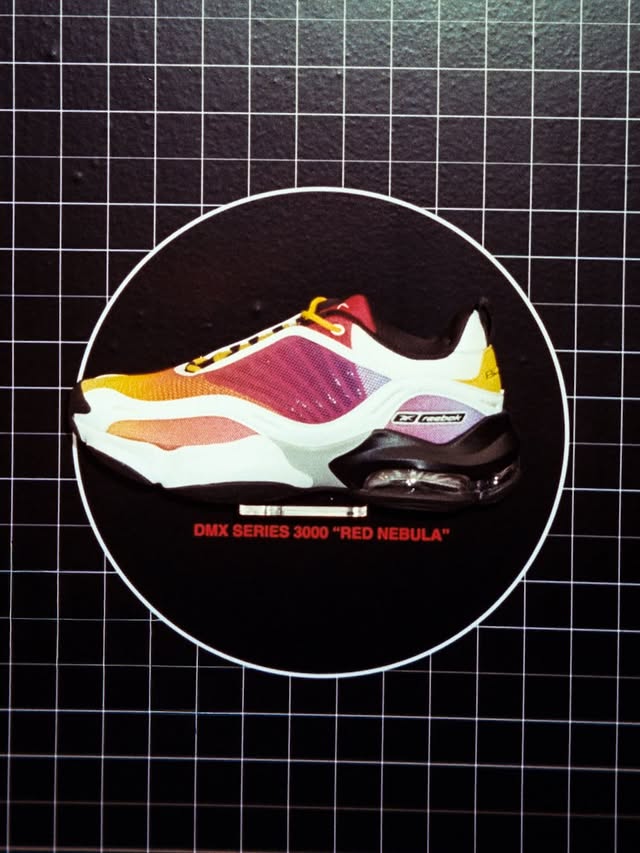
The “Red Nebula” is described as “The Beginning”, part of a larger Cosmic Reef concept with a Blue Nebula also releasing. Where does this universe go from here, and what does the next chapter of Brain Child look like?
Next chapter of BC is looking very promising. I can’t say too much, but a lot of collaborations and cool projects are on the way, including more with Reebok!